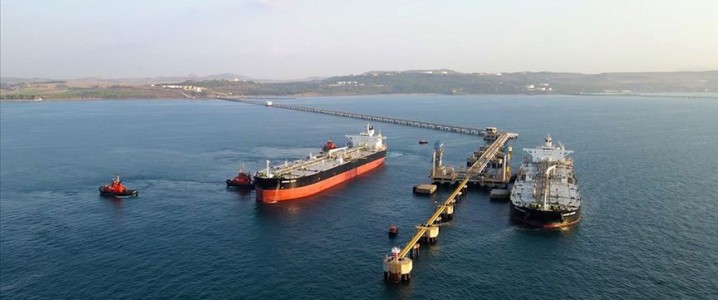
Global crop prices have reached a three-year high, signaling significant future pain for consumers at supermarkets. This surge is primarily due to the closure of the Strait of Hormuz and intensifying conflict in the Black Sea region.
The Strait of Hormuz closure has severely disrupted fertilizer supply chains, blocking 3.9 million tonnes of urea exports. This represents approximately 30 percent of the Middle East's annual fertilizer exports. This critical disruption, combined with ongoing conflict in the Black Sea threatening grain trades and widespread heatwaves, creates a volatile global food market.
This situation fits into a broader narrative of increasing global economic instability and inflationary pressures impacting Ghana. As an import-dependent nation for many essential goods, Ghana is particularly vulnerable to rising international commodity prices. Previous global shocks, such as the Russia-Ukraine war, have already demonstrated how external events can directly influence local market prices and food security.
The International Food Policy Research Institute (IFPRI) describes the current situation as an “input crisis” that could quickly escalate into a full-blown food crisis. This risk is especially high for poorer countries. IFPRI reports that most fertilizer production facilities in the Middle East are operating at reduced rates to prevent excessive stockpiling. This is because high temperatures and moisture can damage urea, a key fertilizer component, if stored for too long.
The implications are severe, with the potential for widespread food insecurity and increased living costs. A recent United Nations report warns that rising energy and fertilizer prices could lead to an additional 9 to 18 million people experiencing hunger worldwide. The report also found that the average cost of a healthy diet globally has increased by nearly 25 percent since 2021, from 3.44 purchasing power parity (PPP) dollars to 4.28 PPP dollars per person per day. Decision-makers in Ghana and other vulnerable economies must monitor these global trends closely. They need to implement policies to mitigate the impact on local food prices and ensure food security for their populations.
The current oil and fertilizer shock from the Strait of Hormuz comes at a precarious time. Markets are still grappling with the fallout from Russia’s war in Ukraine and increasing pressure from climate change. International Fund for Agricultural Development (IFAD) President Alvaro Lario noted that the world is experiencing the highest number of conflicts currently. He stated that conflicts invariably lead to increased hunger, displacement, and refugees. This complex interplay of geopolitical tensions and environmental challenges creates an unprecedented level of uncertainty for global food systems.
Addressing this crisis requires sustained political commitment, significant investment, and enabling policies. QU Dongyu, the Director-General of the United Nations Food and Agriculture Organization, emphasized this point. He highlighted that recent crises, both natural and man-made, demonstrate the resilience of agrifood systems. However, they also underscore the urgent need to strengthen these systems further. This is crucial to better serve the world’s most vulnerable people, farmers, and consumers. Ghana’s economic stability and the well-being of its citizens depend on how effectively global and local stakeholders respond to these escalating challenges.