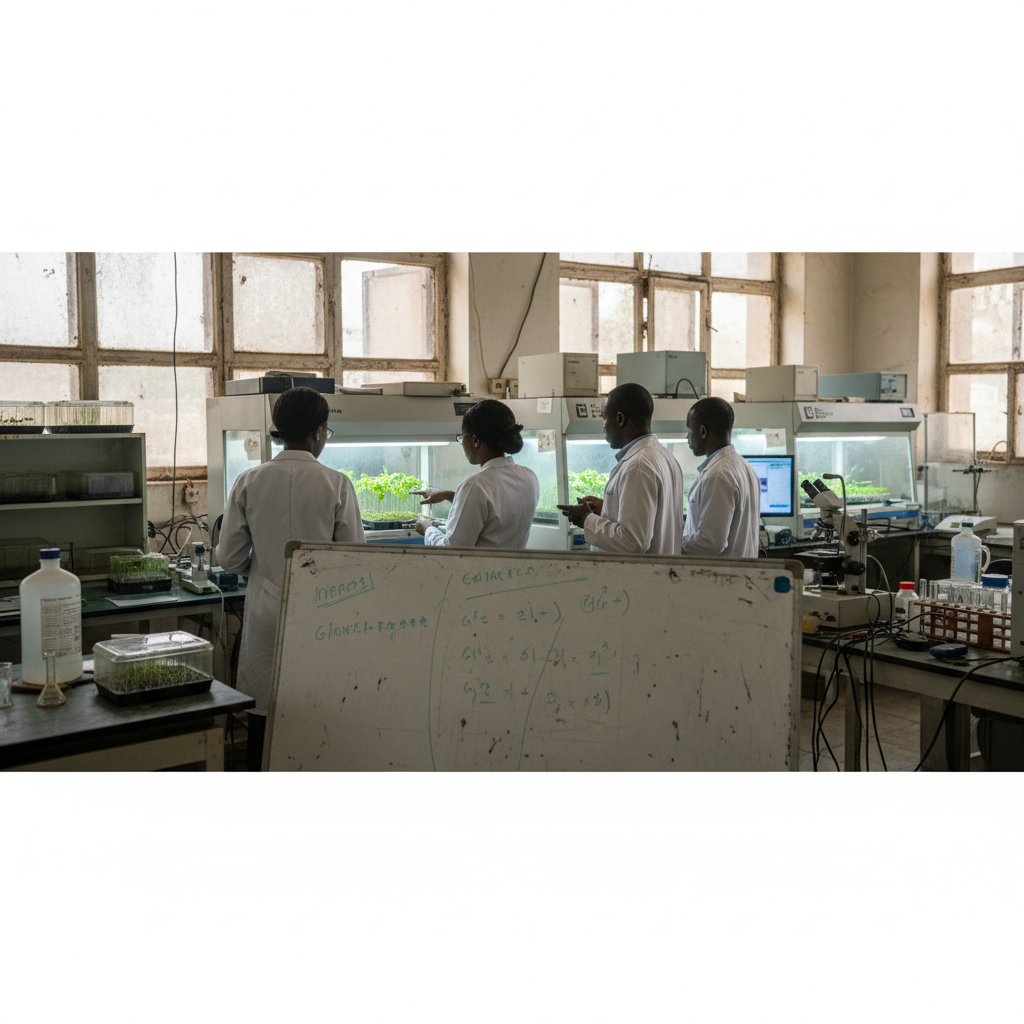
The Plant Genetic Resources Research Institute (PGRRI) needs US$500,000 annually for its operations. This funding is crucial to preserve Ghana’s indigenous food crops and seed varieties. Director Dr. Daniel Ashie Kotey confirmed this immediate financial requirement.
This annual sum, equivalent to about GHS 6.8 million, covers routine operational needs. Dr. Kotey highlighted that the institute has struggled with insufficient funding for over two decades. The lack of resources affects its ability to carry out vital functions. This includes protecting crop genetic resources and ensuring seed availability for farmers.
This funding shortfall directly threatens Ghana’s agricultural sector, a cornerstone of the national economy. Ghana’s food security relies heavily on the preservation of diverse crop varieties. Data shows the agricultural sector contributed 21% to Ghana's Gross Domestic Product (GDP) in 2022. Persistent resource gaps at PGRRI could undermine this sector's resilience. The dwindling availability of traditional crops further exacerbates this risk.
Dr. Daniel Ashie Kotey emphasized the need for dedicated and sustained government funding. He explained, "We need dedicated funding from the government to make sure that we can adequately protect these resources." He referenced the institute's establishment in 1964 and its becoming an institute in 2005. That year marked the last period of significant upgrades, he noted. He lamented the absence of major renovations or equipment modernizations since then.
The current lack of funding suggests continued challenges for Ghana’s agricultural biodiversity. Decision-makers must address this financial need to prevent further loss of essential genetic resources. An investment here could bolster long-term food security and support agricultural exports. The market for indigenous crops could also suffer if their varieties are not protected.
PGRRI also requires urgent infrastructure upgrades. This includes major building renovations, modern equipment, and improved research tools. The current state of facilities remains a significant constraint on the institute's scientific work. Without these upgrades, the institute cannot conduct the in-depth research needed to safeguard Ghana's agricultural future effectively.
The call for funding comes at a critical time when climate change impacts agricultural systems. Protecting genetic diversity offers a natural buffer against these external shocks. Robust genetic resources allow for the development of disease-resistant and drought-tolerant crop varieties. This would enhance Ghana's resilience to future environmental and economic challenges.