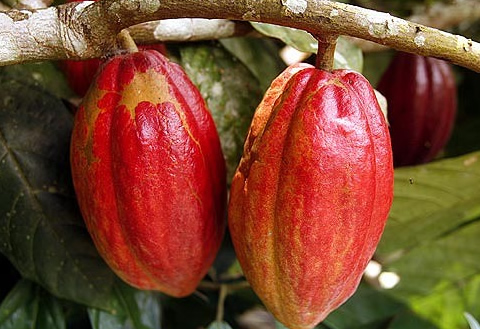
Ghana's Parliament has passed the Ghana COCOBOD Bill, 2026, establishing a comprehensive legal framework for the nation's vital cocoa sector. This new legislation aims to regulate, oversee, and monitor the cocoa value chain, improve farmer welfare, and enhance revenue generation.
The bill guarantees cocoa farmers a minimum of 70% of the Free on Board (FOB) price, ensuring better returns for their produce. It also mandates that at least 50% of cocoa beans must be processed locally, boosting domestic industrial capacity. The legislation further protects the cocoa farm environment and establishes a dedicated cocoa tribunal to address sector infractions.
This new law consolidates fragmented cocoa regulations into a single, cohesive framework, repealing outdated enactments. It provides statutory backing for key institutions like the Producer Price Review Committee. The bill introduces new mechanisms, including a Cocoa Farmers Pension Scheme, an Educational Trust Scheme, a Cocoa Sector Debt Sinking Fund, and a Cocoa Stabilisation and Diversification Fund. These funds are designed to cushion farmers against price shocks and support the long-term sustainability of the cocoa industry.
Mr. Isaac Adongo, Chairman of the Finance Committee and MP for Bolgatanga Central, stated that extensive consultations were held with stakeholders. He emphasized that the bill would significantly improve the livelihoods of cocoa farmers across the country. This broad engagement aimed to make the legislation holistic and widely accepted.
Mr. Thomas Nyarko Ampem, Deputy Minister of Finance, explained that the legislation prioritizes scholarships for children of cocoa farmers. These scholarships will support students pursuing agriculture-related courses, enabling them to contribute meaningfully to family-owned cocoa farms. He added that the bill provides COCOBOD with multiple funding sources for cocoa purchases, addressing historical funding gaps.
The passage of this bill marks a significant step in reshaping Ghana’s cocoa sector. It seeks to balance farmer welfare, local processing, fiscal sustainability, and environmental protection. The new framework is expected to bring greater stability and predictability to an industry crucial for Ghana's economy.
However, the Minority side, through Mr. Kojo Oppong Nkrumah, NPP MP for Ofoase Ayirebi and Deputy Ranking Member on the Economy and Development Committee, opposed treating the bill under a certificate of urgency. He argued that the cocoa sector affects over 800,000 farmers and supports more than four million people. Mr. Oppong Nkrumah stressed the need for broader stakeholder engagement rather than rushing the legislative process.
This new legal framework is expected to have a profound impact on Ghana's agricultural sector and overall economy. The guaranteed minimum price for farmers could lead to increased production and improved living standards in cocoa-growing communities. The local processing mandate could also spur investment in domestic manufacturing and create new jobs.
The introduction of various funds, such as the Cocoa Stabilisation and Diversification Fund, aims to mitigate the impact of global price volatility on farmers' incomes. This financial resilience is critical for an economy heavily reliant on commodity exports. Decision-makers and markets will closely watch the implementation of these provisions and their effect on cocoa output and export revenues.