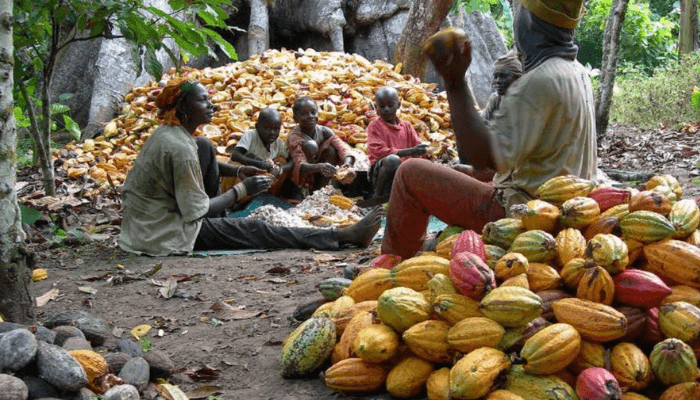
Ghana’s Parliament has approved a significant overhaul of the cocoa industry. The new legislation requires farmers to receive at least 70% of the Free-on-Board (FOB) export price of cocoa. This measure transforms a long-standing policy commitment into a statutory pricing rule.
The Ghana Cocoa Board Bill, 2026, introduces a more predictable and rules-based framework for determining producer prices. This applies to one of the country's most strategically important export sectors. Subject to final constitutional processes, the measure will significantly reduce the discretion associated with annual farmgate price announcements.
This reform fits into Ghana's broader economic story by addressing a critical issue for a major export commodity. Cocoa remains a vital source of employment and income across several regions. Changes in producer compensation can have significant consequences for local economies. The legislation aims to improve confidence among producers who have often raised concerns about the difference between global cocoa prices and the amount paid at the farmgate.
The legislation represents a major shift in sector governance. Rather than treating the producer price as an annual administrative decision, the new framework places the farmer’s share of export earnings within law. This provides greater certainty for farmers, lenders, licensed buying companies, and other participants in the cocoa value chain. For rural communities, higher and more predictable earnings could improve household consumption, education expenditure, and investment in farms.
The reform, however, creates a more demanding financial obligation for COCOBOD. The institution must pay farmers at least 70% of the FOB price. It must also continue to finance disease control, fertiliser distribution, farm rehabilitation, extension services, and quality assurance programmes. COCOBOD must manage debt-service obligations and operational costs in a market with substantial volatility in production, global prices, and exchange rates.
A rise in world cocoa prices could increase the nominal amount owed to farmers. This could happen even if COCOBOD’s financing costs and other liabilities remain elevated. Conversely, a sharp decline in international prices could reduce producer earnings. This would necessitate additional government support mechanisms. The effectiveness of the reform will depend heavily on how the FOB price is calculated and the transparency of the annual pricing formula.
The timing of this legislation is particularly significant. Ghana is preparing for a difficult 2026/27 crop season. COCOBOD has projected that production could decline by at least 16%. This decline reflects excessive rainfall, disease outbreaks, ageing farms, illegal mining, and the cocoa tree’s natural alternate-bearing cycle. Lower production means farmers may receive a larger share of the export price but still earn less overall due to fewer bags to sell.
The guarantee provides price protection but cannot fully compensate producers for lost output. This distinction strengthens the case for combining higher farmgate prices with measures aimed at restoring productive capacity. Rehabilitation of farms affected by cocoa swollen shoot disease, fertiliser distribution, pest control, and protection of cocoa land from illegal mining will remain critical to the industry’s long-term viability. The legislation also has implications for lenders and commodity traders. A transparent pricing mechanism can improve predictability across the supply chain. However, greater statutory obligations may increase pressure on COCOBOD’s cash flow when harvest volumes fall or financing conditions tighten. Prudent borrowing, timely sales, and disciplined management of industry costs will become even more crucial.