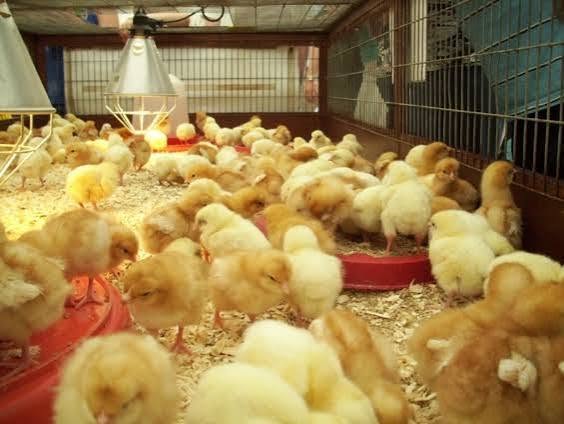
Beneficiaries of Ghana's Nkoko Nkitinkiti initiative have slaughtered and eaten the chickens distributed to them. The government provided these birds for rearing to foster small poultry businesses. This action directly contradicts the program's goal of economic empowerment through livestock development.
Ghana's Minister for Food and Agriculture expressed concern over this development. He noted that some beneficiaries even sent videos of themselves consuming the birds. The initiative aimed for beneficiaries to breed the chickens, sell some, and build sustainable businesses. Instead, the birds provided immediate food relief for some households.
This situation highlights a recurring challenge in Ghana's public development programs. Programs often encounter difficulties transitioning from initial distribution to sustained, impactful implementation. It raises questions about the effectiveness of beneficiary selection processes and follow-up mechanisms. The Nkoko Nkitinkiti initiative aimed to boost local poultry production and household incomes.
Experts suggest this outcome reveals a gap between policy design and the immediate needs of recipients. "A productive asset given to a household under immediate pressure can easily become immediate relief," explains an opinion piece in The Ghana Report. This perspective indicates that for some, the chickens represented protein for supper, not capital for investment. This suggests a need for programs that consider the daily struggles of vulnerable households.
The incident also prompts a closer look at the program's monitoring and evaluation. The Ghana Report opinion piece questions whether beneficiaries received adequate training or proper support for housing and feeding the birds. Without continued support and supervision, the long-term success of such initiatives remains uncertain. Parliament often reviews the results of these programs, requiring officials to account for outcomes.
This development has significant implications for how Ghana designs and implements future agricultural initiatives. It underscores the importance of robust monitoring, comprehensive training, and suitable beneficiary selection. The government must assess whether the program effectively transformed birds into productive assets. Policy makers will need to consider how to bridge the gap between intended investment and immediate consumption. This event may lead to a re-evaluation of beneficiary support systems. It will influence future market expectations for long-term agricultural development programs in Ghana. Stakeholders will watch how the Ministry addresses these challenges. They will monitor changes to program structures to prevent similar outcomes.
The success of Nkoko Nkitinkiti should not only be measured by the number of birds distributed. It should consider how many birds survived and bred, and how much income households generated. This will determine if local poultry production actually increased. Otherwise, official reports on program impact may show limited long-term economic benefits. This situation calls for improved accountability from both recipients and government agencies.