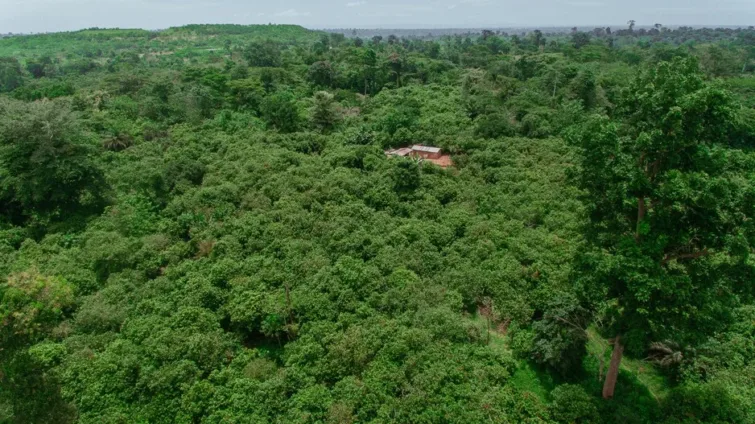
Illegal mining, locally known as galamsey, has destroyed 8,923.8 hectares of Ghana's forest reserves. A scientific study by the Ghana Forestry Commission in February revealed this extensive damage. This area is equivalent to 12,500 FIFA standard football fields.
This widespread destruction directly undermines Ghana's proforestation efforts. Proforestation involves allowing existing forests to grow undisturbed to reach their full ecological potential. These older forests are crucial for absorbing carbon dioxide, a key strategy in combating climate change. The loss of these vital natural carbon sinks exacerbates Ghana's vulnerability to environmental degradation.
The impact of galamsey on Ghana's natural resources is a long-standing economic and environmental challenge. Ghana, rich in mineral resources, faces a paradox where these resources often contribute to environmental harm rather than sustainable development. The ongoing destruction of forests affects water bodies, public health, and the overall ecological balance. This trend hinders the nation's progress towards climate resilience and sustainable economic growth.
William Moomaw and Susan Masino defined proforestation in 2019 as "the practice of leaving existing forests to grow unbothered until they reach their full ecological potential." This approach contrasts with afforestation and reforestation, which involve planting new trees. Research indicates that forests annually remove about 30% of human-generated carbon dioxide emissions. Older trees sequester more carbon than younger ones, making the preservation of existing forests critically important.
The revocation of Legislative Instrument (L.I.) 2462 in 2025 highlights past policy missteps. This instrument had previously permitted mining in forest reserves, leading to significant tree loss. The continuous degradation of reserved forests for illegal mining raises serious questions about accountability and the long-term vision for Ghana's environment. Citizens must demand responsible governance from those entrusted with power and authority.
The economic implications of galamsey are profound, extending beyond immediate environmental damage. The loss of forest cover affects rainfall patterns, agricultural productivity, and the availability of clean water. These impacts can lead to increased poverty and food insecurity in affected communities. Furthermore, the cost of rehabilitating degraded lands is substantial, placing a heavy burden on public finances.
Ghana's commitment to international climate agreements is also jeopardized by unchecked illegal mining. The nation's ability to meet its carbon reduction targets depends heavily on maintaining and expanding its forest cover. The current rate of deforestation due to galamsey makes these targets increasingly difficult to achieve. This situation calls for urgent and decisive action from all stakeholders.
Moving forward, stricter enforcement of mining laws and increased investment in alternative livelihoods for communities in mining areas are essential. Monitoring technologies and community engagement can also play a vital role in protecting forest reserves. The long-term economic stability and environmental health of Ghana depend on effectively addressing the galamsey menace.