A German Development Cooperation (GIZ) project has helped Ghanaian farmers cut post-harvest grain losses by 17.5%. The initiative has registered over 18,000 farmers and seen more than 1,000 metric tonnes of grain traded on its platform.
This outcome stems from the Fund for the Promotion of Innovation in Agriculture (i4Ag) project. It is funded by the German Federal Ministry for Economic Cooperation and Development. GIZ, Saving Grains 301 GmbH, and local farming communities implement it. The project aims to tackle the significant issue of post-harvest losses in Ghana's grain sector.
Ghana’s agriculture sector, which contributes significantly to the economy, suffers from substantial post-harvest losses. These losses can reach up to 40% of harvested grain. This widespread issue reduces farmers' incomes and drives up food prices for consumers. This project directly addresses President Nana Akufo-Addo's commitment to boosting food security and farmer welfare.
Mr. Issah Nadjo, Sector Coordinator for Sustainable Economic Development at GIZ Ghana, highlighted the project’s success. He said strong partnerships were crucial for testing technologies under local Ghanaian conditions. These collaborations involved institutions like the Ministry of Food and Agriculture (MoFA) and Kwame Nkrumah University of Science and Technology (KNUST).
The project trained more than 16,000 smallholder farmers in better post-harvest management. Over 8,000 of these beneficiaries were women, showing an inclusive approach. About 90% of trained farmers adopted at least one innovation. Moreover, 80% reported reduced post-harvest losses, demonstrating significant impact.
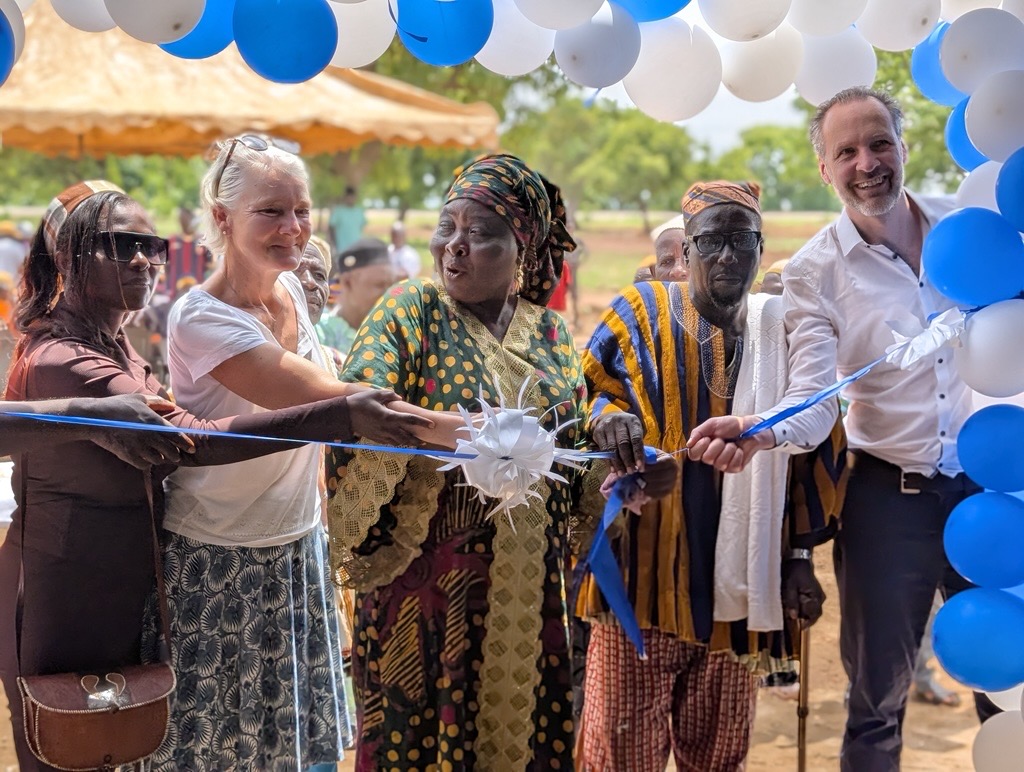
Innovations introduced include hermetic storage bags and digital quality monitoring systems. The project also promoted improved storage facilities and biomass-based grain drying solutions. These tools help farmers keep their produce safe and maintain quality. A new community warehouse in Shebo, Northern Region, will serve as a storage and trading hub. This facility will further enhance grain quality and provide better market opportunities.
The project also established 27 farmer groups, many led by women and youth. These groups will support collective marketing and knowledge sharing. They will also improve access to financial services, strengthening farmer resilience. The continued use of these technologies after the project ends is a key focus. The goal is to ensure long-term benefits for farming communities.
Ms. Rogatta Antwi-Baadu, Greater Accra Regional Director of the Department of Agriculture, noted the project's enduring legacy. She emphasized that improved skills and infrastructure will transform agricultural practices. These efforts will reduce post-harvest losses, enhance food security, and create new economic avenues. This creates opportunities for smallholder farmers and rural entrepreneurs.
The i4Ag project's closing week included an official inauguration of the Shebo community warehouse. The event, held on June 30, 2026, gathered over 50 representatives from various government and international organizations. A workshop in Accra reviewed project achievements and discussed future expansion of successful ideas. This initiative represents a significant step towards a more resilient and profitable agricultural sector in Ghana.