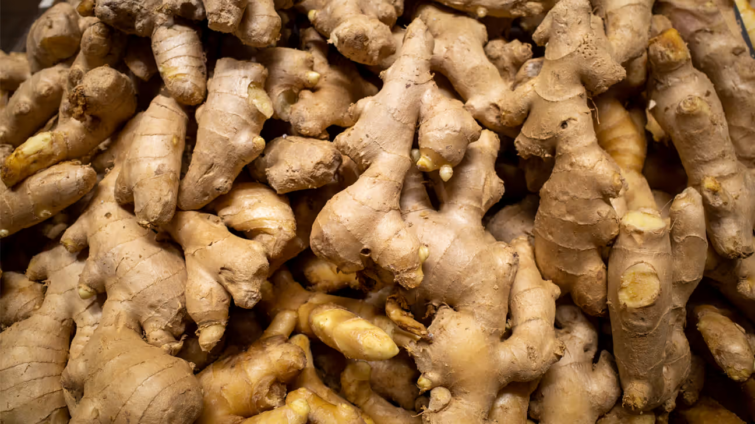
Ghana’s consumer price inflation reached 5.3% in June 2026. This increase reflects significant price surges in specific food items and essential services. Ginger prices rose by 102.5% year-on-year, making it the top price gainer among high-inflation items.
Shrimps followed ginger with a 90.8% price increase. Mangoes also saw a substantial rise of 87.2%, and bananas increased by 47.8%. Avocado pear, fresh coconut, palm fruits, rake, cashew, and dried fish (Koobi) also experienced strong price hikes. These increases disproportionately affect household budgets for consumers.
This mixed price environment impacts the broader Ghanaian economy. The Ghana Statistical Service’s June 2026 report indicates a divergence in market trends. While some food items like kontomire/afefu and garden eggs saw price declines of 38.0% and 33.1% respectively, other critical expenditures continued to climb. This means consumers might find relief for some products but face rising costs for others.
Bus and trotro fares were the biggest contributor to overall inflation, accounting for 10.5% of the pressure. Payments for rents contributed 8.4%, and secondary school fees added 7.2% to inflation. These figures were provided in the Ghana Statistical Service’s inflation report for June 2026. The report highlights the enduring impact of non-food items on headline inflation.
The inflation outlook suggests ongoing pressure on household finances. Decision-makers will closely monitor these trends to understand consumer purchasing power. Policymakers may consider interventions to stabilize prices, especially for essential services and high-demand food products. The Bank of Ghana’s monetary policy committee will also consider these inflation figures in future rate decisions.
Food items such as ginger (7.0%), river fish (6.6%), cooked rice (5.3%), fresh tomatoes (5.2%), and yam (5.1%) also significantly pushed inflation higher. Hotel accommodation contributed 4.9%, and green plantain added 3.8%. These specific categories show continued price pressure in Ghana's food market. The varying price movements create a complex picture for economic stability.
The overall 5.3% inflation rate for June 2026 indicates that price stability remains a key challenge. This figure is critical for businesses in planning and for consumers in managing their budgets. The persistence of high prices in transport, housing, and education sectors will likely continue to influence economic stability. Ghana’s economic managers aim to moderate these inflationary pressures going forward.