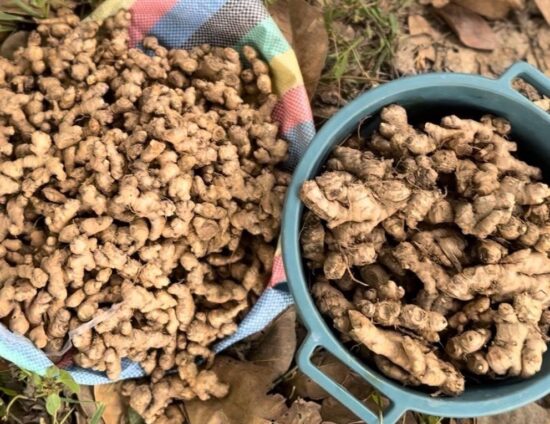
Ghana's Statistical Service (GSS) reports that ginger prices experienced a significant 111.3% year-on-year inflation in July 2026. This substantial increase positions ginger as a prime investment opportunity across its entire value chain.
This sharp price surge makes ginger the highest-inflation item and the third-largest contributor to food inflation. The GSS believes this trend offers considerable benefits for smallholder farmers, agro-processors, and investors. Rising demand from both industrial and export markets fuels this growth.
The sustained high inflation in ginger prices reflects broader economic dynamics within Ghana's agricultural sector. It highlights the potential for specific commodities to drive economic growth and diversify export earnings. This situation also underscores persistent challenges in agricultural supply chains and financing.
Government Statistician Dr. Alhassan Iddrisu stated the price increase reflects strong demand and attractive returns. He urged farmers to expand ginger acreage alongside staple crops like maize and cassava. Dr. Iddrisu also highlighted opportunities for logistics firms and cold storage investments.
The General Agricultural Workers’ Union (GAWU) supports the GSS's observations. Dr. Paschal Ajongba Saviour Kaba, Deputy General Secretary of GAWU, called for deliberate government policies. These policies should improve access to agricultural finance, including subsidised interest rates for farmers. He stressed that commercial lending rates are too high for agricultural risks.
The sustained demand for ginger opens doors for agro-processors. They can move into products like ginger powder, packaged pastes, and essential oils. These value-added products can capture greater value in local and international markets. They also help cushion the sector against the perishability of raw produce.
Dr. Kaba explained that ginger's seven-to-nine-month gestation period limits quick supply responses. High rainfall in regions like Bono and Ashanti also affects production. The crop's perceived aphrodisiac properties and industrial demand further drive prices. Some farmers sell directly to processors, bypassing open markets, which adds pressure on prices.
GAWU advocates for large-scale plantation development for key commodities. This approach, similar to Côte d’Ivoire, requires affordable credit. Dr. Kaba believes targeted credit and infrastructure support can turn this scarcity-driven boom into sustainable export growth. This would also help in bringing down overall food inflation.
The GSS and GAWU's insights point to a critical juncture for Ghana's agricultural policy. Addressing financing gaps and improving infrastructure are crucial steps. These measures will ensure that the current ginger price surge translates into long-term economic benefits. They will also support food security and export diversification efforts.