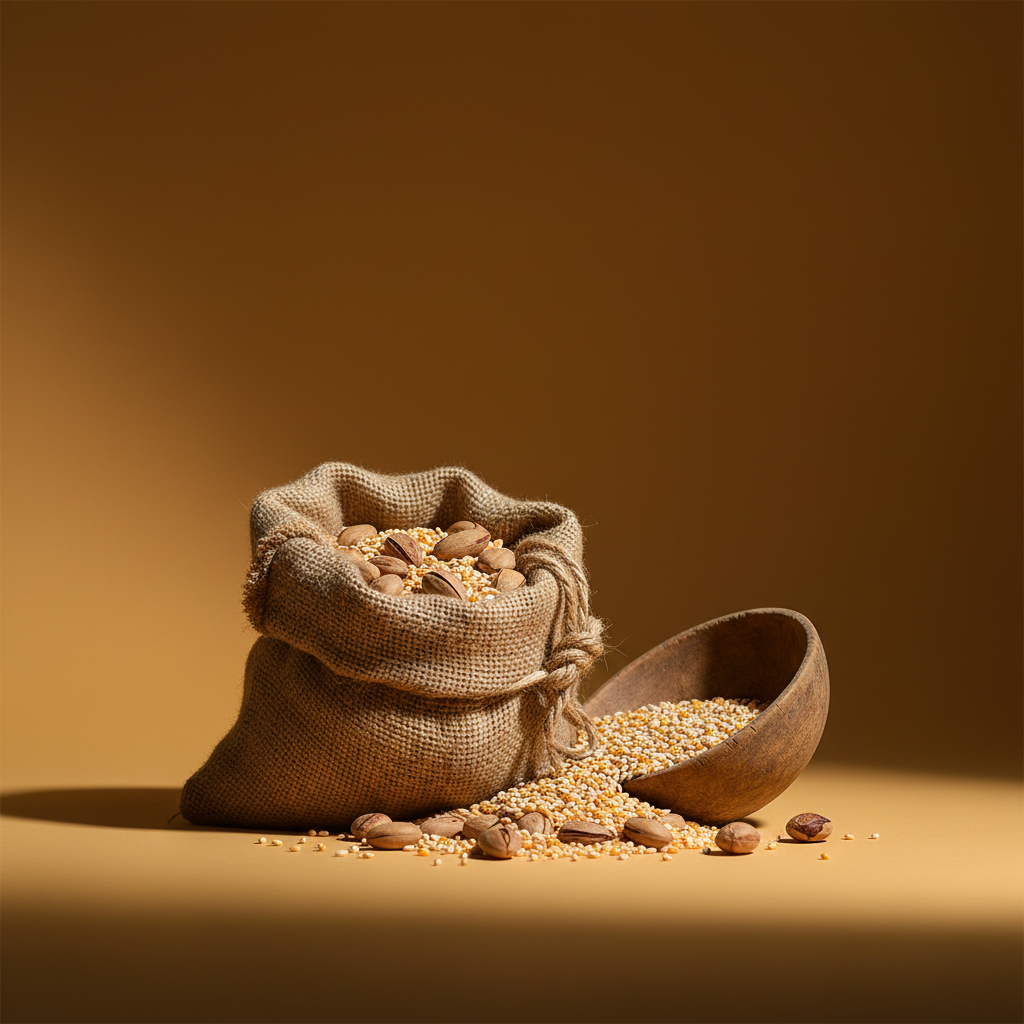
Ghana's Northern Regional Co-ordinating Council (NRCC) has issued a security alert to traders. The alert warns about Burkina Faso's crackdown on shea nut and grain exports. This new policy from Burkina Faso affects Ghanaian traders who deal in these agricultural products.
Burkina Faso's military government implemented the export ban to control food prices locally. This action aims to ensure food security within Burkina Faso's own borders. The ban directly impacts the supply chain for shea nuts and grains entering Ghana from its northern neighbor.
This development is significant for Ghana's economic landscape, particularly for the agricultural sector and food security. Ghana relies on imports of certain grains and shea nuts from Burkina Faso. The ban could lead to reduced availability and increased prices for these commodities in Ghanaian markets. This situation adds pressure to Ghana's efforts to manage inflation, which recently rose to 3.7% due to increasing food prices.
The Northern Regional Co-ordinating Council did not provide specific details on the scope or duration of Burkina Faso's ban. However, such measures by neighboring countries often reflect internal socio-economic pressures. The Council's warning underscores the need for Ghanaian traders to adjust their sourcing strategies. It also highlights the risks associated with cross-border trade in the sub-region.
Ghanaian traders, especially those operating in the northern regions, must find alternative suppliers or adapt to higher costs. This policy change could disrupt their businesses and affect their income. Consumers in Ghana might also face higher prices for products made from shea nuts and grains. This includes foodstuffs and certain cosmetics.
The incident also points to broader regional economic interconnectedness and vulnerability. Ghana's economy, valued at around GHS 1.3 trillion, is influenced by such external factors. Regional stability and trade policies directly impact domestic markets. The Ministry of Food and Agriculture may need to assess the potential impact swiftly. They might consider measures to stabilize domestic supply chains and mitigate price shocks. This situation could also encourage greater investment in Ghana's domestic agricultural production. Developing local capacity could reduce reliance on imports from countries like Burkina Faso.
This evolving situation requires close monitoring by both government agencies and business associations. The long-term implications for Ghana’s food security and commodity markets will depend on the duration and strictness of Burkina Faso’s export ban. It also depends on how Ghanaian stakeholders respond to these new challenges. The Council's alert serves as a proactive step to inform and prepare the trading community.