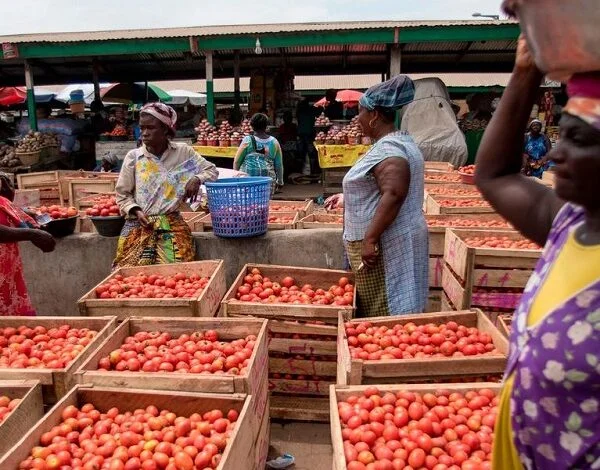
Ghana's Minister for Food and Agriculture, Eric Opoku, has assured that the country will stop importing tomatoes within the next four months. This commitment aims to significantly boost local production.
The government is implementing specific measures. These steps are designed to increase tomato cultivation and improve overall agricultural productivity. They also seek to strengthen the local agricultural value chain, ensuring domestic demand is met by Ghanaian farmers.
This initiative forms part of a larger plan to cut down on food imports. It also aims to support local farmers directly and improve Ghana's overall food security. Reducing reliance on imported goods has been a consistent economic goal, influencing various sectors over the past decade. For example, the government previously launched the 'Planting for Food and Jobs' programme to boost local food production, experiencing mixed success in different crop areas.
Minister Opoku expressed strong confidence in the planned interventions. He believes these actions will enable Ghana to produce sufficient tomatoes. This supply will fully satisfy the needs of local consumers.
This pronouncement draws attention to how government policy can impact domestic markets. Observers will closely watch progress to see effects on tomato prices and agricultural employment. The success of this target could set a precedent for other imported food items, influencing future trade balances and agricultural sector investments.
Meeting this four-month deadline will require efficient resource allocation. It will also demand rapid scaling of farming operations across Ghana's tomato-producing regions. The average annual tomato import bill has hovered around GHS 150 million over the past five years, representing a significant outflow of foreign currency. Successful implementation could bring substantial savings.
The government's focus on strengthening the agricultural value chain involves several key areas. These include providing improved seeds, offering technical support to farmers, and enhancing storage and transportation infrastructure. Such improvements are crucial for consistent supply and reducing post-harvest losses, which historically have been a major challenge for Ghanaian farmers.
Stakeholders, including farmers, distributors, and consumers, are waiting to see the tangible results. The initiative's impact on job creation in rural areas will also be a critical measure of its success. A fully self-sufficient tomato market could reduce price volatility, benefiting average Ghanaian households.
The policy aligns with broader continental efforts to reduce dependence on food imports. Many African nations are striving for greater food sovereignty. Ghana's experience in this particular segment will offer important lessons for regional economic development.