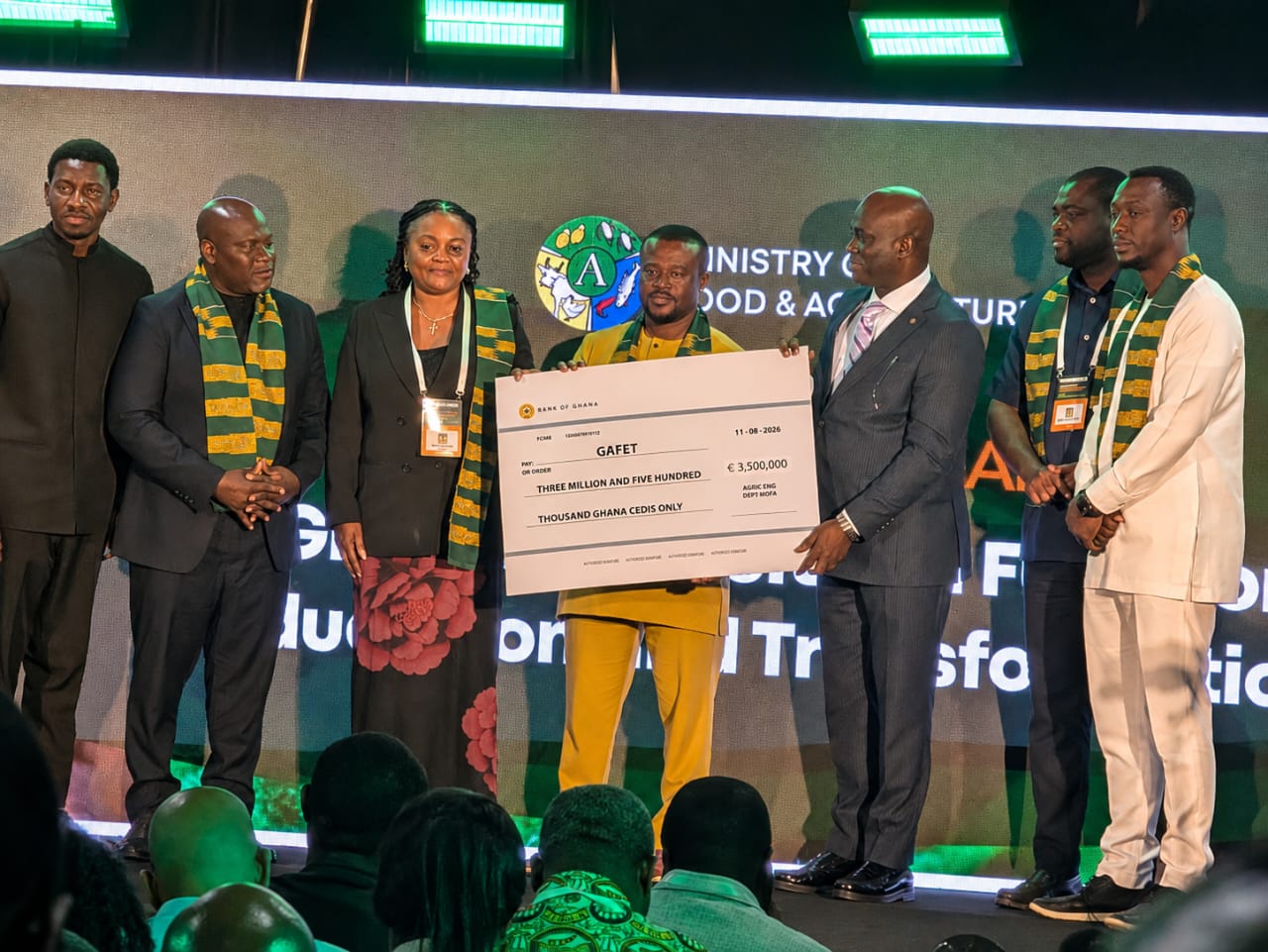
Ghana has launched the Agricultural Education Transformation Fund, targeting GHS 100 million in funding by the end of 2028. This new initiative seeks to transform agricultural education through significant private sector involvement and public-private partnerships.
Agriculture Minister Eric Opoku announced the fund at the Palms Hotel in Accra. He stressed that the government cannot solve every national challenge alone. Opoku urged the private sector to become active partners in national development. The fund has already secured GHS 3.5 million in seed funding from five Ghanaian agribusinesses. These companies include Grow for me, Agrisolve, Farmerline, New Age Agri Solutions, and Tradeline Consult.
This initiative fits into Ghana's broader economic strategy to boost agricultural productivity and reduce reliance on food imports. The agricultural sector remains a cornerstone of the Ghanaian economy, employing a significant portion of the workforce. Addressing skills gaps in this sector is crucial for sustainable growth and food security. Previous government efforts have focused on programs like Planting for Food and Jobs, but this fund specifically targets educational infrastructure and human capital development.
Minister Opoku stated, "National development is a shared responsibility." He added that when government provides direction, and the private sector contributes capital and innovation, national aspirations become enduring institutions. The Minister praised the five contributing companies for investing directly in a solution to the skills gap they experience firsthand.
The fund aims to grow to GHS 10 million by December 2026 and GHS 200 million by the end of 2028. This ambitious target reflects the urgent need for skilled professionals in agriculture. The fund will operate under a strict governance architecture to ensure transparency and accountability. This framework includes a Governing Board for policy oversight, an Independent Fund Administrator, a Securities and Exchange Commission licensed Fund Manager, a Custodian, and an Independent External Auditor. This multi-layered approach aims to protect contributor interests and ensure professional management of resources.
Disbursements from the fund will be based on verified institutional needs. These will be supported by regular audit reports and impact assessments. This structure ensures that no single institution controls the entire process. It also allows contributors, beneficiaries, and the Ghanaian public to see how resources are invested. The fund is intended to become a permanent statutory institution under the Ministry of Food and Agriculture, subject to legal and parliamentary approval.
Mr. Stephen Nhyira Odarteifio and Kwesi Etu Bondzi have been designated to coordinate stakeholder engagement and resource mobilization. Their role is crucial in institutionalizing the fund. This effort underscores the government's commitment to building lasting institutions rather than just temporary projects. The success of this fund will depend on sustained private sector engagement and rigorous oversight. It will also serve as a model for future public-private collaborations in other critical sectors of the Ghanaian economy.