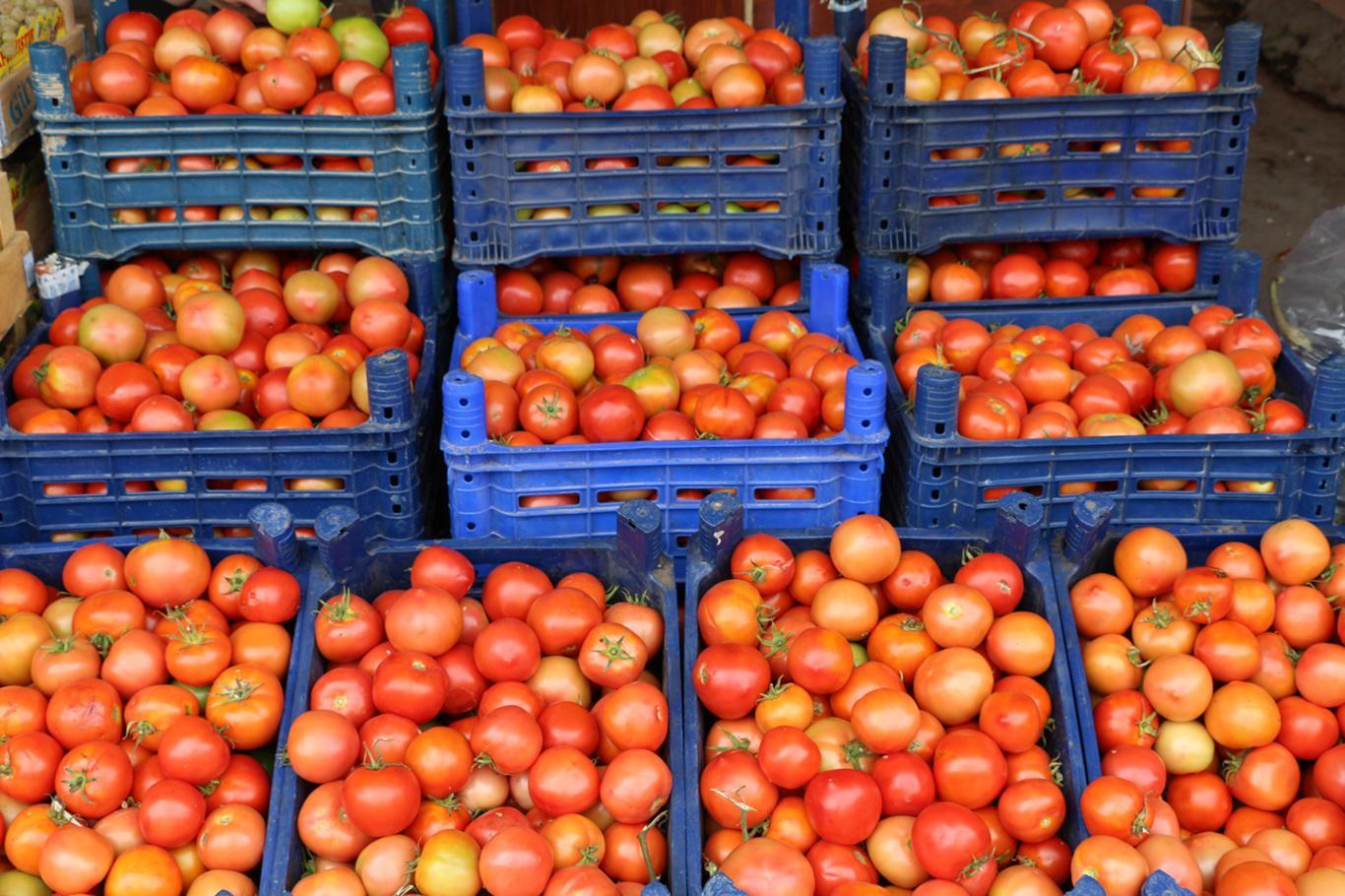
Ghana plans to cut tomato imports within four months. The government is investing in solar-powered irrigation and farmer support to boost local production.
Minister for Food and Agriculture, Eric Opoku, stated the Mahama administration started a coordinated programme. This programme expands local tomato cultivation through solar irrigation, borehole development, and better farm protection. These actions aim to strengthen food security and reduce Ghana's dependence on supplies from Burkina Faso.
This initiative fits into Ghana's broader economic strategy of reducing food imports. The reliance on tomato imports has kept Ghana dependent on external markets during local production downturns. Increased domestic production could lower food import costs and reduce foreign exchange demand. It can also improve the nation's agricultural trade balance.
Mr. Opoku informed Parliament's Select Committee on Assurances about the ongoing interventions. He said these interventions expect to show clear results within three to four months. The Minister also said President John Dramani Mahama has stressed ending tomato imports. This is part of a wider agricultural transformation programme.
The plan addresses a key weakness in Ghana's vegetable production system: seasonality. Local tomato production often goes up in the rainy season but drops sharply in the dry season. This is due to limited irrigation and weak water infrastructure. Solar-powered irrigation and boreholes will allow farmers to grow tomatoes all year. This aims to stabilise supply and reduce price volatility for consumers.
Reducing tomato imports will bring broader economic benefits. It could lower foreign exchange demand and improve Ghana's agricultural trade balance. In an economy where food prices influence inflation, more local production protects households from external supply shocks. This could lead to more stable food prices across the country.
The four-month timeline for significant import reduction is ambitious and will be closely watched. Farmers, traders, food processors, and policy analysts will monitor its progress. Ghana's dependence on tomato imports is not just about low production. It also involves weak storage, poor aggregation, and limited processing capacity. Transport challenges and inconsistent quality also contribute to the problem.
Mr. Opoku acknowledged that recent drops in food prices create a policy challenge. Lower food inflation benefits consumers but can hurt farmer profitability. Farmers may struggle to recover production costs when increased supply pushes market prices down. If not managed carefully, today's surplus could become tomorrow's shortage.
To prevent this, the government has sent proposals to Cabinet. These proposals include providing free fertiliser to farmers. This aims to lower production costs and prevent low market prices from disheartening farmers. The government also seeks to increase investment in agro-processing and structured market systems.
These investments are vital for the tomato self-sufficiency plan to succeed beyond short-term gains. Tomatoes are highly perishable. Without enough processing, storage, and market coordination, farmers risk heavy losses. Increased production alone will not guarantee food security or stable farmer incomes. Ghana needs systems to convert fresh tomatoes into paste, puree, and other valuable goods.