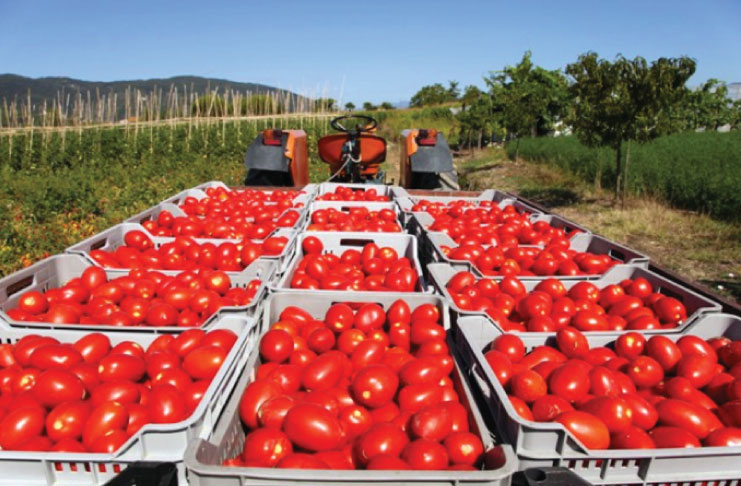
Ghana is targeting an annual national tomato production of 400,000 tonnes. This ambitious goal comes under the new Ghana Tomato Self-Sufficiency Initiative (GHATSI).
The government aims to significantly reduce Ghana’s dependence on imported tomatoes. The country currently spends over GHS 400 million each year importing fresh tomatoes and tomato paste. This initiative seeks to close the production gap, especially during the December-to-July off-season deficit.
This move is crucial for Ghana’s economic stability and food security. Reducing imports frees up foreign exchange, strengthening the Ghana cedi. It also aligns with broader government efforts to boost local agriculture and create jobs. Previous agricultural programs have focused on similar goals, but tomato self-sufficiency remains a persistent challenge.
The Ministry of Food and Agriculture (MoFA) stated that GHATSI will establish an integrated, year-round domestic tomato value chain. This public-private partnership involves MoFA and FarmMate LTD. The initiative was officially launched on Tuesday, September 15, at Anlo Senior High School Park in Anloga, Volta Region.
The full rollout of GHATSI targets an annual national tomato production of 400,000 tonnes. The first phase, covering the 2026/2027 production cycle, aims to supply approximately 100,000 tonnes. This initial phase will cover more than 10,000 acres across 40 districts, 12 regions, and over 100 communities.
This initiative is expected to end import dependency and guarantee a stable, year-round supply of tomatoes. It will also raise and secure farmer incomes through contract farming. The program will create sustainable youth employment across the entire value chain. Furthermore, it seeks to eliminate avoidable post-harvest losses and reduce risks from climate and pest shocks.
Under the Farmer Enhancement Package, participating farmers will receive crucial support. This includes financed agro-inputs, irrigation support, and extension services. Farmers will also benefit from technical services and multi-peril crop insurance. Repayment for these benefits will be settled directly at the point of off-take, simplifying the process for farmers.
The launch event brought together key stakeholders. These included government officials, regional authorities, and traditional leaders. Farmers, financial institutions, insurers, and technical partners also attended. This broad participation highlights the collaborative effort required for the initiative's success. The Minister for Food and Agriculture, Eric Opoku, led the launch.
The success of GHATSI will have significant implications for Ghana’s economy. A reduction in tomato imports will ease pressure on the national currency. It will also provide stable income for thousands of farmers and create new jobs. Decision-makers will closely monitor the program's progress in achieving its production targets. The market will respond to increased local supply and potentially lower prices for consumers. This initiative represents a critical step towards agricultural self-reliance and economic resilience for Ghana.