Ghana’s government plans to establish 100,000 hectares of new oil palm plantations. This ambitious expansion aims to significantly boost farmer incomes and reduce the nation’s reliance on imported palm oil.
The initiative focuses on improving yields, strengthening farmer support, and linking production more closely with processing. This strategy seeks to transform the oil palm industry into a more profitable sector for smallholder farmers. It also addresses Ghana's continued dependence on foreign palm oil products.
This move fits into Ghana’s broader economic strategy to retain value within its economy. Reducing imports saves foreign exchange and creates local employment opportunities. The government has long sought to diversify its agricultural base and strengthen rural economies. Previous policies have often struggled to translate into measurable results on the ground.
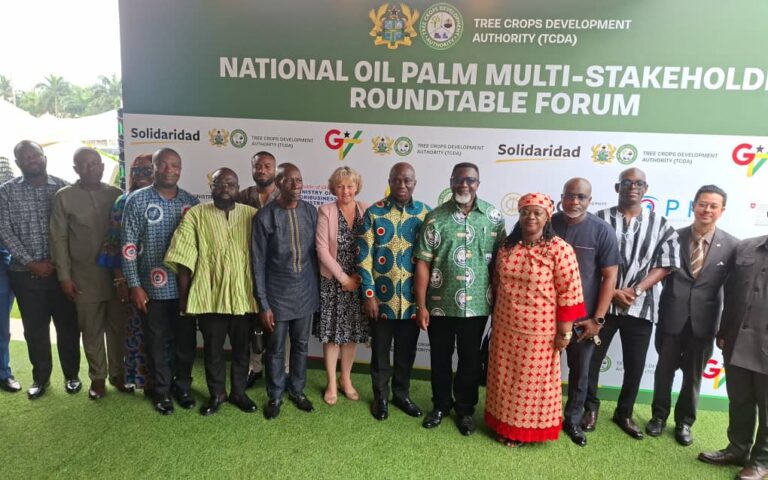
Minister for Food and Agriculture, Eric Opoku, stated the success of this programme hinges on increased farmer production and better incomes. He emphasized moving from policy commitments to practical, resourced programmes. The National Oil Palm Multistakeholder Roundtable Forum in Accra highlighted this shift.
The Tree Crops Development Authority (TCDA) will play a central role in this transformation. Dr. Andy Osei Okrah, CEO of TCDA, confirmed the Authority's designation as a key regulatory institution. TCDA will handle licensing, production planning, and data management for the tree crops sector. This formalization aims to improve coordination and attract investment.
Boosting local production will help Ghana retain more value within its economy. It will also create conditions for the country to compete in regional and international markets. Domestic supply shortages currently encourage smuggling and unfair competition. These issues negatively impact legitimate businesses and government revenue.
Farmers will require access to improved planting materials and certified nurseries. Extension services and modern farm management techniques are also crucial for higher yields. Stronger market arrangements must provide reliable buyers and transparent pricing. This ensures farmers receive a fair share of the value chain.
Access to land and affordable financing remain major constraints for oil palm expansion. Financial institutions must develop suitable products for farmers and processors. Traditional authorities should promote transparent land arrangements to reduce disputes. Investment in processing facilities, storage, and quality control is also essential.
Ghana must move beyond producing fresh fruit bunches. The goal is to increase production of finished, value-added palm products for local use and export. The programme must also protect forests and environmentally sensitive areas. Environmental responsibility and traceability are increasingly important in global markets.
This coordinated action involves government agencies, research institutions, and financial bodies. Development partners, farmer organisations, and private investors must also collaborate. The government’s role is to create the right policy environment and provide strategic public investment. This comprehensive approach aims to ensure the long-term success of Ghana’s oil palm revival.