Ghana's government has set an ambitious target to establish 100,000 hectares of new oil palm plantations by 2026. This initiative aims to close the significant gap between domestic demand and local supply of palm oil, which currently forces the nation to rely heavily on imports.
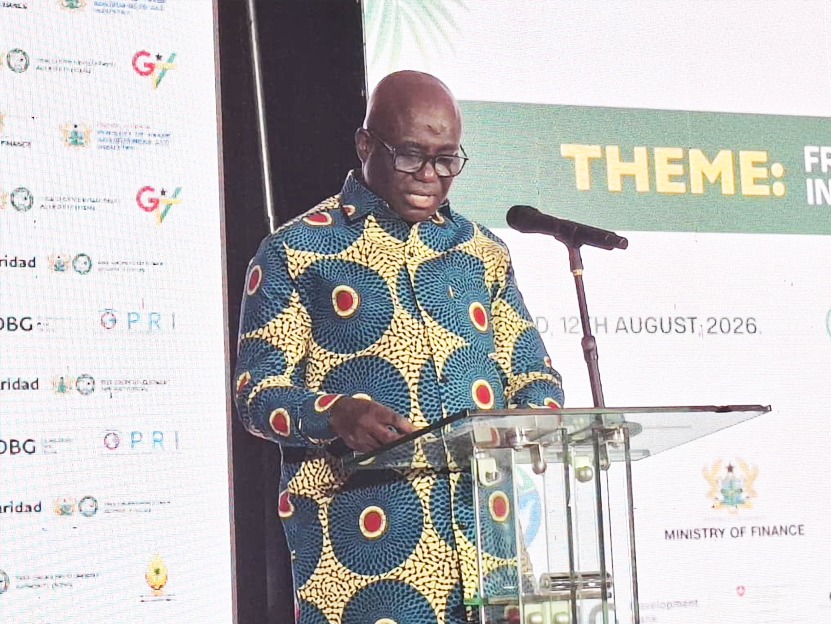
The Minister of Food and Agriculture, Eric Opoku, announced this target at a National Oil Palm Multi-Stakeholder Roundtable Forum in Accra. The forum, organized by the Tree Crops Development Authority (TCDA), focused on moving the industry from policy discussions to practical implementation. The goal is to transform the sector, creating jobs and boosting farmer incomes across the country.
This strategic focus on oil palm aligns with Ghana's broader economic agenda to diversify agricultural exports and reduce import dependency. The country's reliance on imported palm oil represents lost foreign exchange and missed opportunities for local job creation. This initiative also addresses the issue of factories operating below capacity due to insufficient raw material supply. The government's commitment to this sector reflects a push for greater self-sufficiency and value addition in agriculture, a key pillar of Ghana's economic development.
Minister Opoku emphasized the need for stakeholders to shift from merely identifying problems to actively implementing solutions. He stated, "A policy that remains on paper does not create a single job, raise a farmer’s income, supply a processor with raw material or save the nation $1 in imports." He urged participants to leave the forum with clear execution plans, defining specific roles, timelines, resources, and measurable targets for the industry's transformation.
The transformation plan extends beyond just increasing acreage. It includes rehabilitating aging farms, improving productivity, and ensuring access to quality planting materials. The initiative also prioritizes the inclusion of smallholder farmers, women, and young people. Secure land arrangements, patient financing, efficient processing, and stronger market linkages are critical components. The government also stresses that expansion must not compromise forests or biodiversity, proving that agricultural growth and environmental responsibility can advance together.
The Tree Crops Development Authority (TCDA), established under the Tree-Crop Development Authority Act, 2019 (Act 1010), is the institutional anchor for this transformation. TCDA's Chief Executive Officer, Dr. Andy Atta Okrah, affirmed the authority's commitment to move the industry from discussion to execution. He stated TCDA would act as both a firm regulator and an active enabler. This involves enforcing licensing, quality, and compliance standards. It also includes coordinating planting programs, facilitating access to certified seedlings, and promoting investment and market opportunities. Dr. Okrah highlighted the forum's design to build concrete consensus and establish a clear execution plan for the sector.
The implications of this ambitious target are significant for Ghana's economy. Successfully achieving the 100,000-hectare goal could substantially reduce the GHS 100 million spent annually on palm oil imports. This would free up valuable foreign exchange reserves and strengthen the cedi. The focus on smallholder farmers, providing them with secure markets and fair pricing, promises to boost rural incomes and alleviate poverty. Increased local processing and value addition will create more jobs in manufacturing and related sectors. Investors and financial institutions will watch for the development of tailored financial products that suit the long gestation period of oil palm cultivation. The government's commitment to environmental responsibility will also be a key area of scrutiny as the expansion progresses.