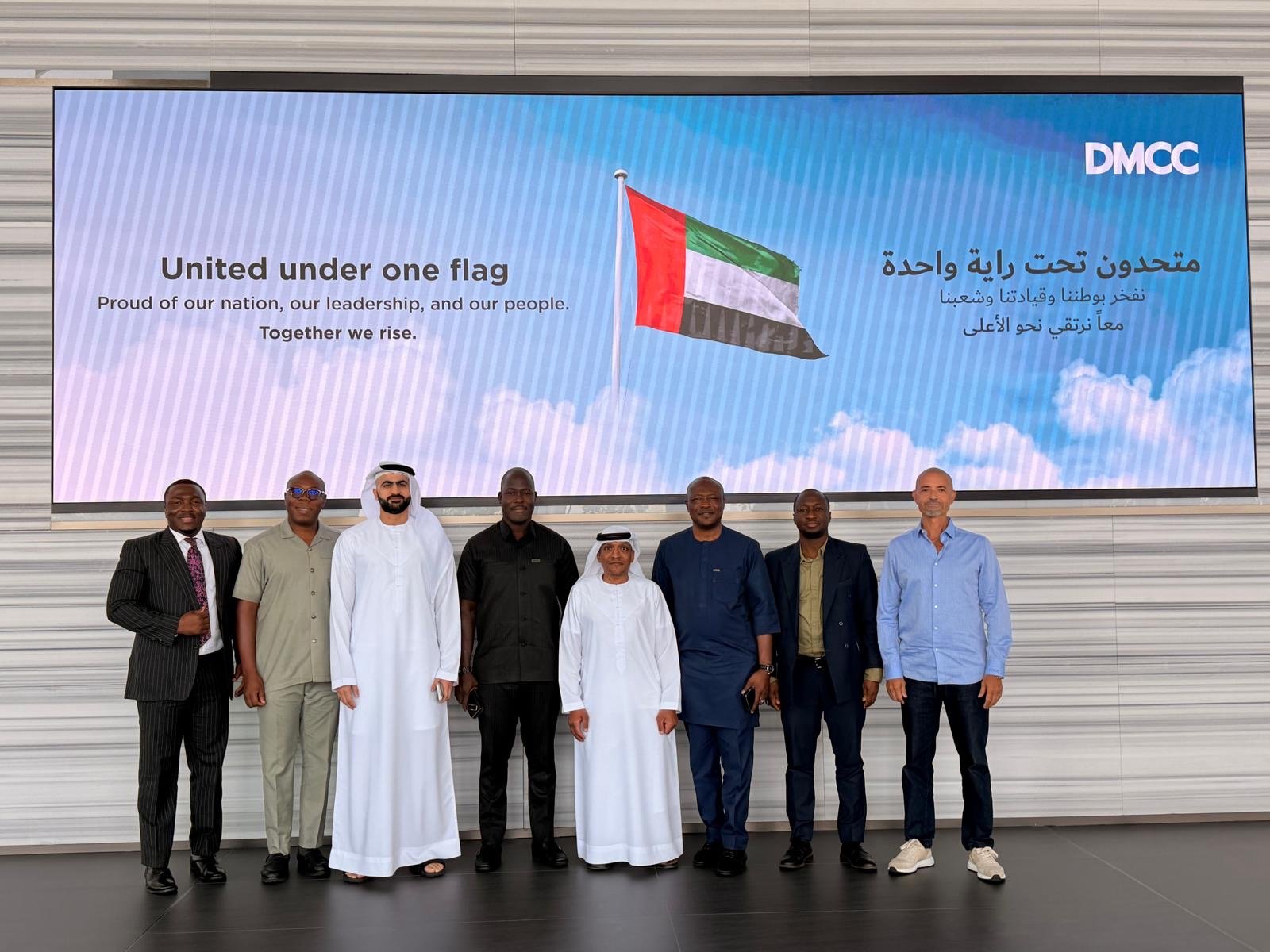
The Cocoa Marketing Company (CMC) Ghana Limited has secured export commitments from buyers in the United Arab Emirates (UAE) and Saudi Arabia. These agreements cover Ghana's semi-finished cocoa products, supporting the commercial outlook for increasing local cocoa processing. This move advances the goal to process at least 50% of the country’s cocoa domestically, a plan advocated by former President John Dramani Mahama.
These new export agreements specifically target semi-finished cocoa products. This includes items such as cocoa liquor, cocoa butter, cocoa cake, and cocoa powder. The deals address a major challenge for Ghana's cocoa processing sector: ensuring a steady market for processed products. Without guaranteed buyers, factories often operate below their full capacity.
This initiative fits into Ghana's broader economic strategy to add value to its raw materials. The nation aims to move beyond simply exporting raw cocoa beans. By processing more cocoa locally, Ghana can capture a larger share of the global cocoa value chain. This strategy seeks to boost export earnings and support local industrialization efforts.
Wisdom Kofi Dogbey, Managing Director of CMC, secured these commitments during high-level meetings in Dubai and Riyadh. In Dubai, Dr. Dogbey discussed integration opportunities with the Dubai Multi Commodities Centre (DMCC). Senior DMCC executive Ahmad Hamza stated that linking Ghana's cocoa derivatives to their trading system would strengthen exports. In Riyadh, the agreements align with Saudi Arabia's Vision 2030 food sustainability goals, providing Ghana with a long-term buyer.
The secured deals are expected to improve the utilization of Ghana's existing cocoa processing facilities. Many of these factories currently operate below their capacity due to market uncertainties and financial limitations. By ensuring long-term demand, CMC aims to increase domestic grinding and generate higher export earnings. This also helps diversify Ghana's export markets away from its traditional reliance on European buyers, opening access to Middle Eastern and Asian markets. This focus on maximizing existing capacity means the government will not need to build new factories in the immediate future.
The impact of these agreements will be closely watched by government officials and industry stakeholders. Increased local processing could lead to more jobs in the cocoa sector and higher foreign exchange earnings for Ghana. This shift could strengthen the cedi and improve the country's trade balance. Markets will be looking for signs of increased production and export volumes of processed cocoa. The success of these deals could also pave the way for similar value-addition strategies in other agricultural sectors. This highlights a significant step in Ghana's economic development.