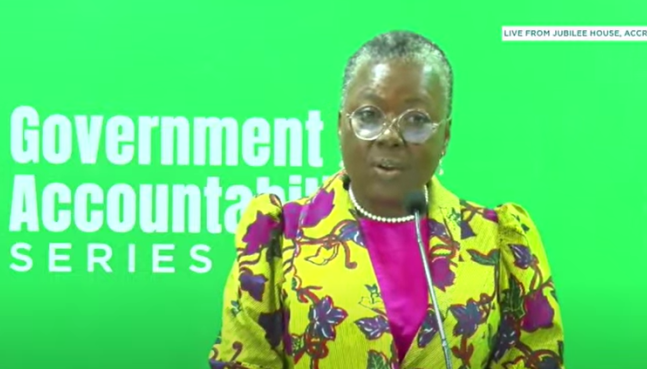
Ghana’s Ministry of Fisheries and Aquaculture has announced a series of reforms aimed at transforming the nation's fisheries sector. These changes focus on stronger regulation, sustainable resource management, and increased investment in the Blue Economy. The reforms were unveiled during the Ministry's Mid-Year Media Engagement on Wednesday, July 22, 2026, under the theme “Resetting Ghana’s Fisheries Sector for Sustainability, Jobs and Blue Economy Growth.”
The initiatives seek to address longstanding challenges, including declining fish stocks and pervasive illegal fishing activities. These issues have significantly impacted the livelihoods of fishing communities and threatened the long-term viability of marine resources. The government's strategy aims to create a productive, resilient, and sustainable sector that supports food security and generates employment.
These reforms align with Ghana's broader economic agenda to diversify its economy and harness its natural resources responsibly. The Blue Economy, which involves using marine and aquatic resources for sustainable economic growth, is a key component of this strategy. This approach seeks to unlock new opportunities while protecting the environment, contributing to Ghana's overall economic transformation and resilience against external shocks.
Minister for Fisheries and Aquaculture, Emelia Arthur, stated that Ghana's fisheries resources belong to all citizens. She stressed the importance of responsible management to safeguard livelihoods for current and future generations. The Ministry is committed to working with fisherfolk, industry stakeholders, and development partners to ensure successful implementation of these reforms.
Key milestones achieved under the government's reset agenda include the passage of the Fisheries and Aquaculture Act, 2025 (Act 1146). This legislation provides a stronger legal framework for regulating the sector. Additionally, Ghana has established its first Marine Protected Area at Cape Three Points, a crucial step for marine biodiversity conservation. Measures to combat illegal fishing have also been intensified, alongside reforms to the premix fuel distribution system, aiming for greater efficiency and fairness.
The implications of these reforms are significant for Ghana's coastal communities and national economy. A revitalized fisheries sector could lead to increased fish catches, improved incomes for fisherfolk, and enhanced food security. Investors and international partners will closely watch the implementation of these policies. Their success will depend on sustained political will, effective enforcement, and strong collaboration among all stakeholders. The government's commitment to transparency and accountability will be vital in building trust and ensuring the long-term success of these transformative efforts.
The focus on sustainability and job creation through the Blue Economy model represents a strategic shift. This approach aims to move beyond traditional resource extraction towards a more holistic and environmentally conscious economic development. The Ministry's engagement with the media and other stakeholders underscores a commitment to open dialogue and collective responsibility in managing Ghana's valuable marine assets. This comprehensive strategy is expected to yield substantial economic benefits and secure the future of Ghana's fisheries.