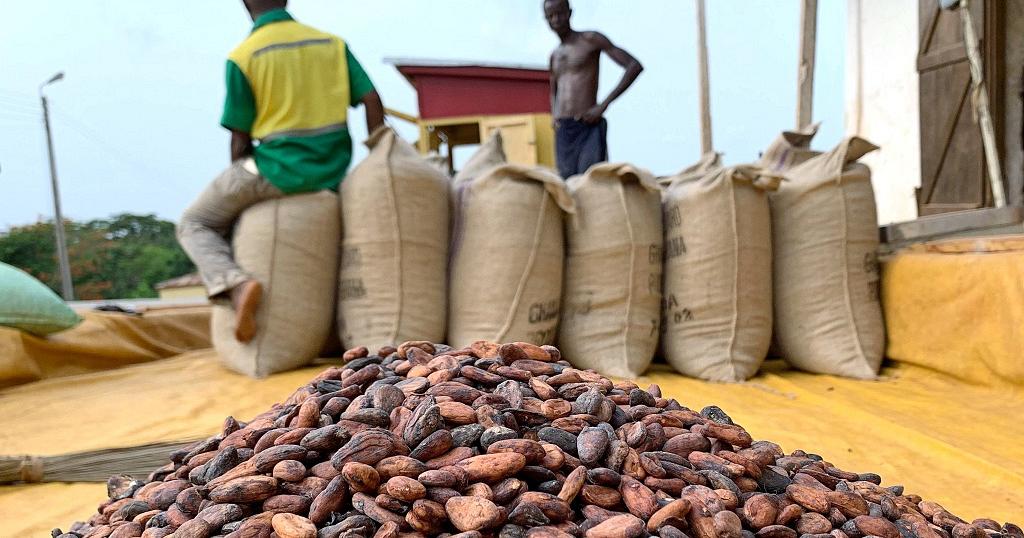
Ghana's COCOBOD has proposed a 6.00% increase in the cocoa producer price for the 2026/27 season. This adjustment would raise the farmgate price to GHS 2,737 per 64-kilogram bag, up from the current GHS 2,587.
This proposed price aims to make Ghanaian cocoa more attractive than that in neighbouring Côte d’Ivoire. It seeks to reverse the direction of cross-border smuggling, encouraging Ivorian beans to enter Ghana. The proposal remains subject to approval by the Finance Minister.
This move aligns with Ghana's policy to ensure farmers receive at least 70.00% of the free-on-board export value of cocoa. It follows a challenging period for COCOBOD, marked by volatile global cocoa prices and exchange rate movements. Ghana previously raised its price to GHS 58,000 per tonne to counter Côte d’Ivoire's 20.00% price hike in October 2025.
People familiar with the proposal told Bloomberg that the new price would significantly exceed Côte d’Ivoire's current producer price. This substantial difference could create a strong incentive for Ivorian cocoa to cross into Ghana. Such a reversal would mark a significant shift from past smuggling patterns.
Smuggling has a substantial impact on both Ghana and Côte d’Ivoire's cocoa economies. Ghana targeted 650,000 tonnes of production in the 2025/26 season but recorded over 750,000 tonnes. Part of this excess was attributed to cocoa entering from neighbouring countries, complicating true production assessments.
The price proposal comes as global cocoa futures have rebounded sharply, climbing about 50.00% since May. Concerns over a weaker West African crop, disease, and the El Niño weather pattern are driving these price increases. Supply concerns are particularly acute in Côte d’Ivoire, the world's largest cocoa producer.
A survey cited by Bloomberg suggests Ivorian output could fall by 20.00% to 1.75 million tonnes in the 2026/27 season. Ghana's harvest is also expected to decline by 13.00% to 650,000 tonnes. These estimates highlight the pressure on governments to support farmers while maintaining financial stability.
Ghana's experience in the past year shows the risks of setting farmgate prices too high. The International Monetary Fund (IMF) reported COCOBOD faced severe liquidity pressure in the 2025/26 season. This occurred when world cocoa prices fell sharply while domestic farmgate prices remained elevated.
The IMF noted this mismatch made Ghanaian cocoa less competitive and weakened buyer demand. It led to unsold stocks and strained COCOBOD's cash flow. The government intervened with a broad restructuring package to address these issues.
Cabinet approved the clearance of GHS 3.62 billion in farmer arrears. It also restructured GHS 3.70 billion in COCOBOD legacy debt. Additionally, GHS 4.35 billion in cocoa-road liabilities were transferred to the central government. Authorities also reduced the 2025/26 farmgate price and committed to reforms.
These reforms include an automatic pricing formula, domestic cocoa bonds, and expanded local processing. They also involve removing quasi-fiscal activities from COCOBOD's mandate. The proposed 2026/27 price increase must therefore carefully balance competing objectives. Ghana aims to make cocoa farming attractive enough to prevent farmers from abandoning the sector.