Ghana’s scientific community is urgently working to preserve the nation’s disappearing plant genetic resources. This action follows a significant decline in biodiversity across the country. Key drivers of this loss include illegal mining, widespread deforestation, land degradation, and climate change.
These destructive forces directly threaten Ghana’s food security, the resilience of its ecosystems, and the future livelihoods of its citizens. While conservation efforts are expanding, the destruction of natural habitats continues to outpace restoration. This trend places many indigenous species at high risk of extinction.
Ghana is part of the Guinean Forest biodiversity hotspot. This region is one of the world's most biologically important ecosystems. However, changes in land use, logging, mining, and human encroachment are eroding this natural wealth. The country has about 275 forest reserves. Yet, biodiversity within many of them has declined significantly, according to experts.
Dr. Edmund Owusu, a Senior Research Scientist and Plant Pathologist at CSIR-PGRRI, described the situation as increasingly urgent. He revealed this at a Biodiversity Media Learning Initiative workshop. The Council for Scientific and Industrial Research-Plant Genetic Resources Research Institute (CSIR-PGRRI) organized this event. The World University Service of Canada (WUSC) and the International Union for Conservation of Nature (IUCN) also helped.
Dr. Owusu stated, “We are losing a lot of our plant genetic resources, especially the indigenous ones.” He highlighted that about 146 forest tree species are currently listed as threatened on the IUCN Red List. Some indigenous species are endemic to Ghana. This means they are found nowhere else in the world. Conservationists now focus on collecting and preserving species before they vanish completely from their natural habitats. He added, “Laws are not working” to protect these vital resources.
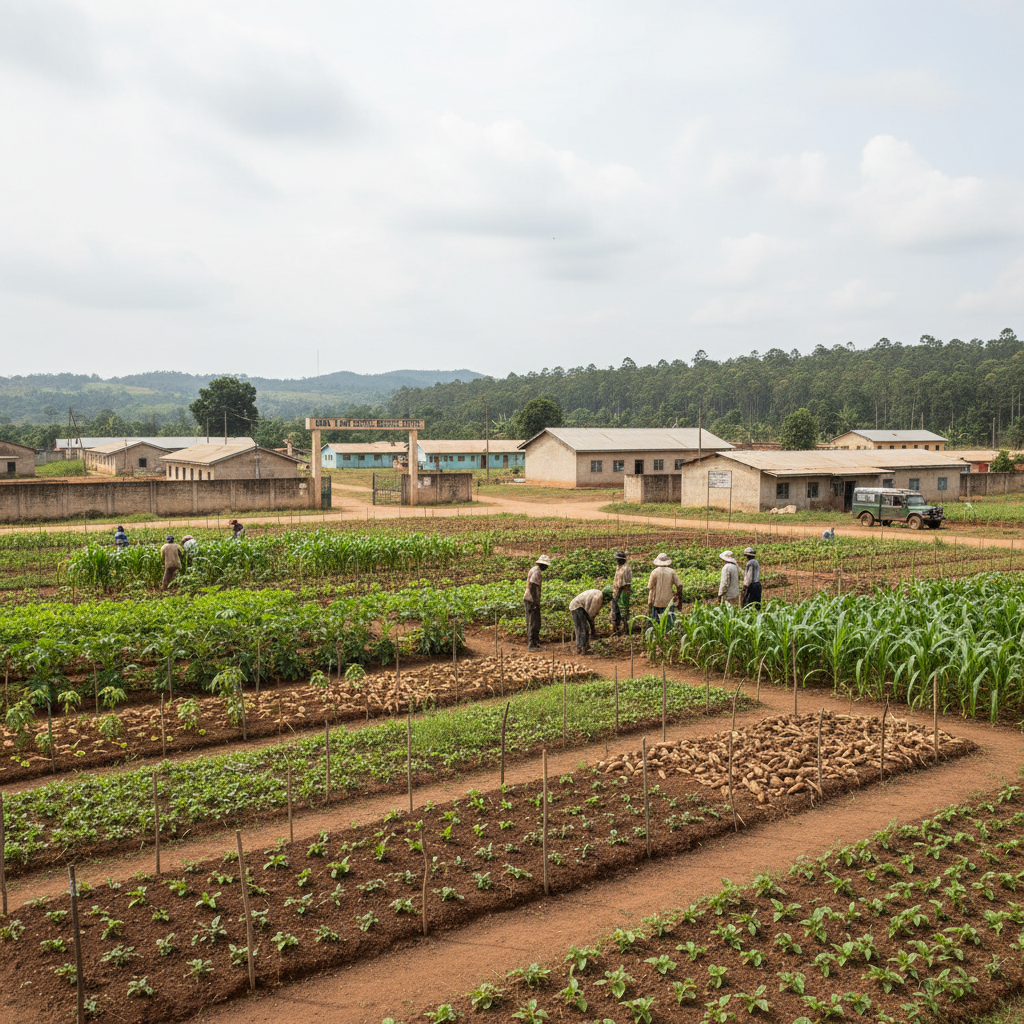
To safeguard threatened species, CSIR-PGRRI and IUCN have established a three-acre live threatened tree gene bank in Bunso. This facility conserves genetic materials from endangered species like Odum, Wawa, Mahogany, and Baku. These specimens come from different ecological zones across Ghana. The gene bank aims to serve as a seed source for future restoration activities. This approach ensures environmental resilience through diverse genetic sources.
Scientists warn that the biodiversity crisis extends beyond forests and wildlife. Dr. Matilda Bissah, a Senior Research Scientist at CSIR-PGRRI, noted that biodiversity loss threatens food systems, nutrition, and climate resilience. The Ghana National Genebank, managed by CSIR-PGRRI, conserves 81 out of 101 globally significant neglected and underutilised crop species. Dr. Bissah emphasized the need to promote these crops for food, medicine, and income generation. She also called for stronger policy coordination. This coordination should ensure those responsible for environmental degradation pay for the damage caused.
Public awareness forms a critical part of these conservation efforts. Mr. Rusmond Didewuyem Anyinah, Project Coordinator of the Nature-Based Climate Adaptation in the Guinean Forests of West Africa Project, stressed this point. He stated that biodiversity conservation cannot be the responsibility of scientists alone. WUSC, CSIR-PGRRI, and IUCN partnered to inform journalists about conservation approaches. This initiative aims to increase public understanding and engagement in protecting Ghana's natural heritage.