Ghana's food economy is experiencing a significant disconnect. Farmers are receiving drastically lower prices for their crops, yet consumers continue to pay high prices for everyday meals. Since early 2025, the market price of maize, a crucial staple, has fallen sharply across the country.
A 100-kilogram bag of maize, which sold for around GHS 600 in 2024, now trades at GHS 300 or less. This represents a substantial decline of approximately 50%. However, this price reduction has not translated into cheaper food for ordinary consumers. A ball of kenkey, a popular maize-based food, still costs GHS 5 in many places, with some vendors charging up to GHS 7.
This puzzling trend highlights significant challenges within Ghana’s food supply chain. Farmers are struggling with reduced incomes, making it difficult to purchase essential inputs like fertiliser and seeds for future harvests. Meanwhile, consumers continue to face high food bills, exacerbating cost-of-living pressures. The situation creates a cycle where farmers cannot sustain production, and consumers do not benefit from lower raw material costs.
Farmers across Ghana express deep concern over this development. Abugri Azumah, a maize farmer in Binduri District, abandoned maize farming this year. He stated, “I have not farmed maize this year. I have my seven bags of maize lying down, nobody is ready to buy, so I can’t get fertiliser to buy for the new crops.” This sentiment is echoed by Solomon Gumah, a farmer and journalist from the Northern Region, who has 50 bags of maize unsold. He believes government intervention is necessary to stabilise prices and ensure consumers benefit from farm-gate reductions.
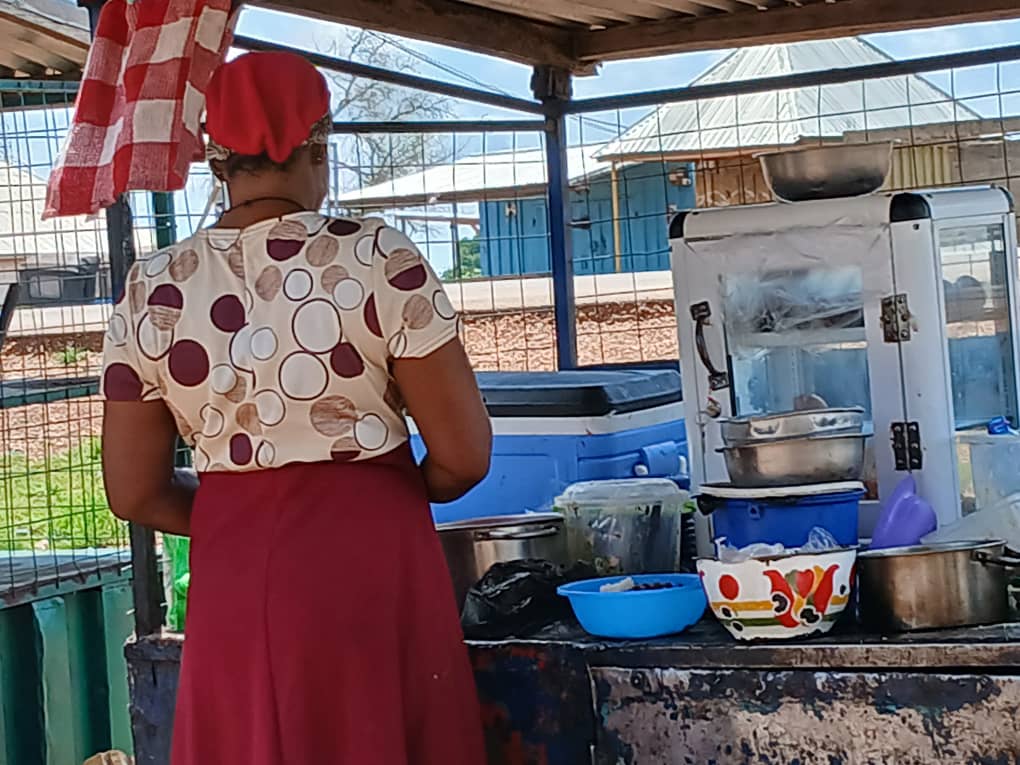
Food vendors, however, explain why consumer prices remain elevated. Daavi, a kenkey seller in Accra, clarified that maize is only one component of her total costs. She noted that expenses for labour, transportation, grinding services, utilities, and packaging have not decreased. “We pay labourers; it hasn’t decreased. We send the maize to the grinding mill; it hasn’t decreased. We pay utility bills; it hasn’t decreased,” she explained. Therefore, vendors cannot reduce prices solely based on lower maize costs.
Economists confirm this complex reality. Anaba Elvis, a PhD Economics student and assistant researcher at Ghana’s Parliament, explained that falling maize prices do not automatically lead to cheaper processed foods. He highlighted that processors must account for various expenses beyond raw materials, including labour, energy, packaging, storage, and distribution. Some producers might also be selling older stock purchased at higher prices. Limited market competition further reduces pressure on vendors to cut prices, meaning total production costs, not just raw maize, drive final food prices.
This situation poses a significant challenge for Ghana’s food security. Agricultural officers, like Bukari in Bawku West District, describe it as concerning. He noted, “The issue is somehow challenging because the farmers are really suffering, but at the end, they have nothing to take home. Meanwhile, when one goes to a restaurant to buy food, it is unaffordable.” This disparity exposes critical weaknesses in the national food supply chain.
Experts suggest several interventions to address this issue. Improving storage systems is crucial to prevent post-harvest losses and stabilise supply. Strengthening market linkages between farmers and buyers can ensure more efficient distribution. Reducing overall production costs for farmers and fostering greater competition among food processors could also help. These measures aim to ensure that price reductions at the farm level ultimately benefit consumers, creating a more equitable and stable food system for Ghana.
Without reliable markets and fair prices, many smallholder farmers like Abugri Azumah may be forced to reduce production. This development could have severe long-term consequences for Ghana’s food security, potentially leading to shortages and further price volatility. Decision-makers must address these systemic issues to protect both farmers' livelihoods and consumers' access to affordable food.