Ghana's economy is losing millions of GHS because raw shea nuts are exported instead of being processed locally. The Ghana Shea Butter Employers Association states this practice deprives the nation of significant revenue and job opportunities. Local processors struggle with limited raw material supply, hindering their growth and contribution to the economy.
Approximately 70% of Ghana's raw shea nuts are currently exported, according to the association. This high volume of raw material leaving the country starves local processing plants of essential supplies. The situation also limits income for farmers and reduces the potential for value addition within Ghana.
This challenge fits into Ghana's broader economic narrative of seeking to industrialise and add value to its raw materials. The government has initiatives like the '24-hour economy' aimed at boosting local production and processing. However, the shea industry's current state shows a gap in achieving these goals for a key agricultural commodity. Ghana's economic development plans often stress moving beyond primary commodity exports to create more sophisticated value chains.
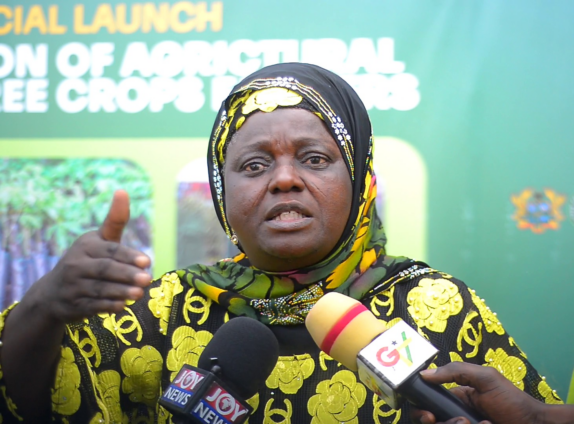
Rabiatu Abubakari, President of the Ghana Shea Butter Employers Association, highlighted the financial impact. She stated, “We are losing millions of cedis because our shea nuts are being exported in their raw form instead of being processed here in Ghana.” She also noted that local producers face difficulties securing bank loans due to high interest rates and frequent rejections, further stifling expansion.
The continued export of raw shea nuts means Ghana misses out on potential earnings from finished products like shea butter. This also limits job creation in processing, packaging, and related services. Decision-makers must consider policies that incentivise local processing and discourage raw material exports. The government's response to these calls will determine the future growth trajectory of Ghana's shea industry.
Investment in better storage facilities is also critical for the shea industry. Shea is a seasonal crop, meaning a large harvest occurs only at certain times of the year. Proper storage would allow processors to have a consistent supply of nuts throughout the year, ensuring continuous production. This stability would help local businesses plan better and meet market demands more reliably.
The Tree Crops Development Authority has provided some support through farm inputs. However, the association believes this is insufficient to address the core issues. More comprehensive government investment is needed for financing, storage infrastructure, and promoting local processing. Such investments would make the shea industry more sustainable and ensure greater economic benefits remain within Ghana.
Strengthening the local shea butter industry aligns with national goals of economic diversification and job creation. It would empower women, who are largely involved in shea nut collection and processing. Reducing raw exports would also boost Ghana's manufacturing sector and improve its trade balance. The long-term economic health of the northern regions, where shea is a major crop, depends heavily on these interventions.