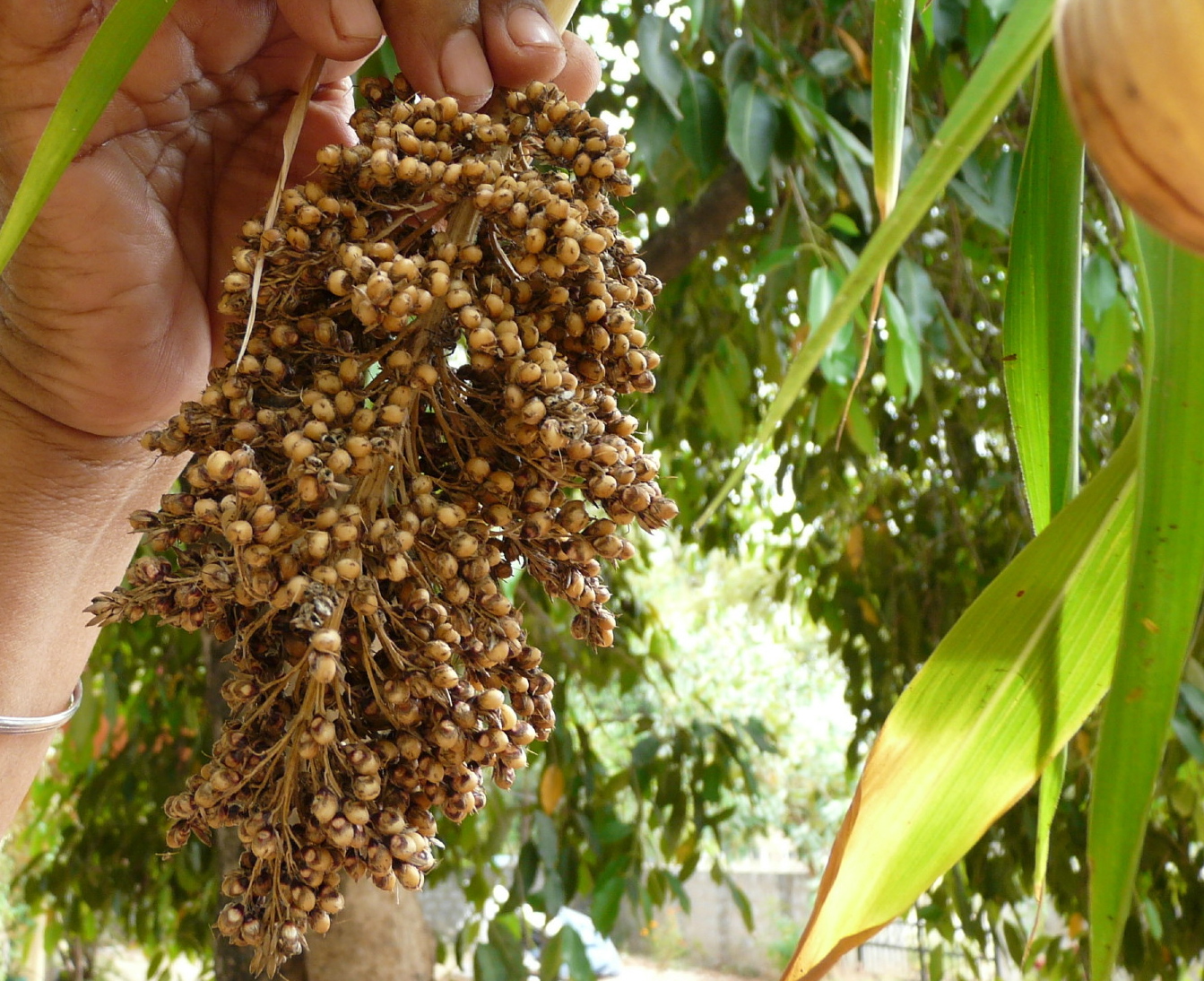
Ghana’s indigenous food crops are fast disappearing, drawing significant concern from agricultural experts. JoyBusiness AgriBusiness Month focused on this issue, highlighting the urgent need for preservation efforts. This decline threatens the nation’s food systems and cultural heritage.
The initiative, themed “Why Protecting Our Seeds Matters Now More Than Ever,” explored safeguarding local seeds. It also emphasized traditional food crops that are becoming rare across Ghana’s agricultural landscape. Discussions centered on conserving vulnerable crop varieties and strategies for reintroducing them into mainstream farming.
This trend has serious implications for Ghana’s long-term food security and climate resilience. The loss of traditional crops can lead to reduced dietary diversity and increased reliance on a few common crop types. This makes the food supply more vulnerable to pests, diseases, and climate change effects. Protecting these indigenous varieties is crucial for maintaining a robust and adaptable agricultural sector.
Dr. Daniel Ashie Kotey, Director of the Plant Genetic Resources Research Institute, provided expert insights. He stressed the vital role of biodiversity in ensuring sustainable food security. Dr. Kotey’s discussion highlighted concerns about the vanishing indigenous food crops. He pointed to potential negative impacts on nutrition, cultural practices, and agricultural sustainability.
Stakeholders urged the protection of Ghana’s rich agricultural biodiversity. They warned that the continued loss of traditional crops could jeopardize efforts to build a resilient food system. Decision-makers must prioritize policies that support seed banks and local farming practices. This will ensure these valuable genetic resources are available for future generations.
The discussions explored where some endangered food varieties still exist. Participants also considered how to protect them effectively. This involves working with local communities and farmers to revive traditional cultivation methods. Investment in research and development for preserving indigenous crops is also critical. These proactive steps are essential for preventing further loss.
Moving forward, agricultural policy will likely focus more on biodiversity conservation. Watch for government initiatives aimed at supporting local farmers and seed conservation programs. The market for indigenous produce could also see a boost if these efforts succeed. This will help strengthen Ghana's food independence and economic stability in the agricultural sector.
Failure to act could lead to Ghana losing unique crop varieties. This would diminish the country's agricultural heritage and future food options. Farmers, researchers, and policymakers must collaborate to reverse this worrying trend. Their combined efforts will secure a diverse and stable food supply for all Ghanaians.