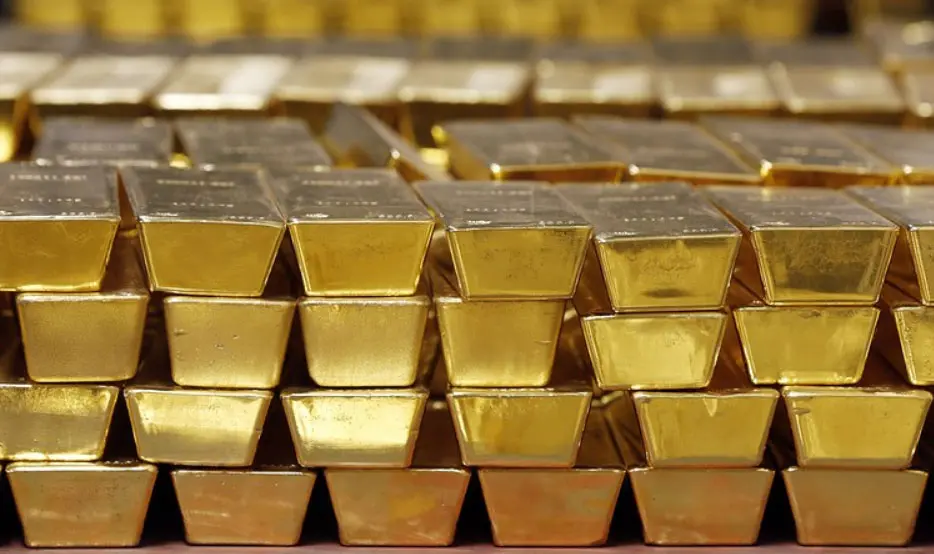
Ghana’s gold production is projected to reach between 6.1 million and 6.7 million ounces in 2026. This significant increase reinforces gold’s crucial role in the nation’s export earnings, foreign exchange generation, and overall economic recovery.
This forecast follows a record performance in 2025, when Ghana produced approximately 6 million ounces of gold. Achieving the upper end of the 2026 projection would establish a new production high, surpassing the 2025 level by about 700,000 ounces. The Ghana Chamber of Mines expects this growth to come from both large-scale producers and the expanding artisanal and small-scale mining sector.
This anticipated surge in gold output is vital for Ghana’s economic stability and growth. Higher production, especially with strong international gold prices, will generate additional export receipts. This influx of funds will strengthen foreign exchange liquidity and help rebuild external financial buffers. It reduces the country’s reliance on borrowing or portfolio inflows to manage its external accounts.
The Ghana Chamber of Mines stated, “The outlook for 2026 remains positive, with total gold production expected to range between 6.1 million ounces and 6.7 million ounces.” This industry assessment highlights the sector’s confidence in sustained growth. The increase represents an 11.67% rise at the upper end of the projection compared to 2025 figures.
The implications of this increased production are far-reaching for Ghana’s economy. It offers a substantial opportunity to convert mineral wealth into deeper fiscal revenues and create more employment. Policymakers are focused on formalizing artisanal mining to improve export documentation and capture gold previously moving through informal channels. This strategy aims to strengthen tax and foreign exchange receipts, ensuring more of the wealth benefits the nation directly.
However, this growth also brings challenges. Regulators face increased pressure to combat illegal mining, which causes environmental damage like water body destruction and land degradation. The Ghana Gold Board is central to the government’s efforts to improve oversight of gold purchasing and exports. This includes strengthening traceability within the artisanal and small-scale segment to retain a larger share of foreign exchange domestically.
Rising production also strengthens the argument for Ghana to develop its gold value chain further. For decades, much of Ghana’s mineral output has been exported with limited local processing. Moving towards greater refining and jewellery production domestically could create skilled jobs and broaden the economic impact beyond just export receipts. This would require commercially viable refining capacity and adherence to international standards.
Sustaining high production levels also depends on continuous investment in exploration, mine development, and technology by large-scale miners. Mining is a capital-intensive industry, requiring long-term investment decisions. Therefore, consistency in taxation, royalties, licensing, and environmental regulation is critical to attract and retain capital. Ghana must balance maximizing public returns from gold with maintaining an attractive investment environment.
Excessive policy uncertainty can delay new projects, while weak regulation can lead to inadequate fiscal and environmental returns. The country’s gold resources are finite, making responsible and strategic management essential. The government’s bullion strategy aims to ensure that Ghana benefits fully from its rich gold endowments, supporting long-term economic development and stability.