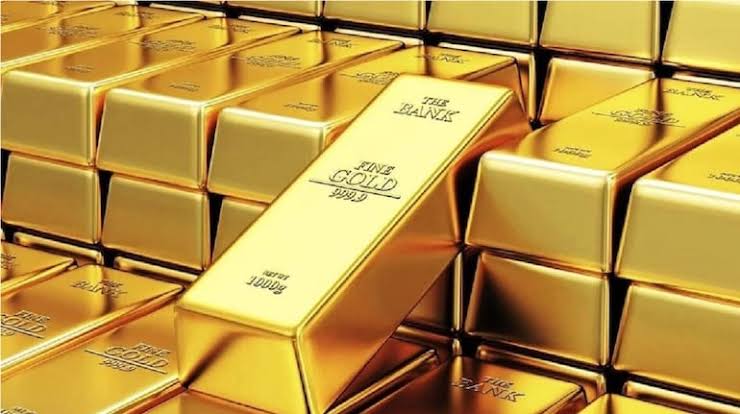
Ghana's gold export earnings reached an estimated GHS 242 billion (US$20.2 billion) in 2025. This record performance firmly establishes Ghana as Africa's leading gold producer, significantly widening its lead over major West African competitors like Mali and Burkina Faso.
The country's gold production surged to 5.94 million ounces in 2025, marking a substantial 23.41% increase from 4.82 million ounces in 2024. Small-scale mining was the primary catalyst for this growth, with its output rising by 63.82% to 3.11 million ounces. This sector contributed over half of the national gold production for the first time in more than a century.
This gold boom has profound implications for Ghana's economic landscape. Gold now accounts for 63.1% of Ghana's merchandise exports, according to figures from the Ghana Statistical Service. These earnings are more than double the combined revenue from cocoa and crude oil, underscoring the precious metal's critical role in the nation's economic fortunes. This dominance provides crucial support for Ghana's economic recovery following its recent debt crisis, boosting foreign exchange inflows and strengthening the country's external position.
The Ghana Chamber of Mines reported the significant increase in gold output. This growth coincides with government reforms designed to formalize the gold trade and enhance state control over the domestic gold market. The Ghana Gold Board (GoldBod) plays a central role in purchasing, assaying, and exporting gold from the artisanal and small-scale mining sector. These measures aim to curb smuggling, improve traceability, and ensure a greater share of export proceeds enters the formal financial system.
Looking ahead, the government plans to increase its participation in the gold value chain. From July 2026, large-scale mining companies must sell 30% of their gold output domestically. This policy seeks to retain more value from Ghana's gold resources and bolster foreign exchange reserves. While Ghana's position as a gold powerhouse appears secure, the challenge lies in converting this GHS 242 billion windfall into productive investment, industrialization, and sustainable job creation. The growing reliance on gold also presents a vulnerability; a sharp decline in international gold prices could significantly impact export earnings and government revenues. Ghana's first commercial gold refinery, the Royal Ghana Gold Refinery, inaugurated in 2024, is part of efforts to increase local processing and value addition.