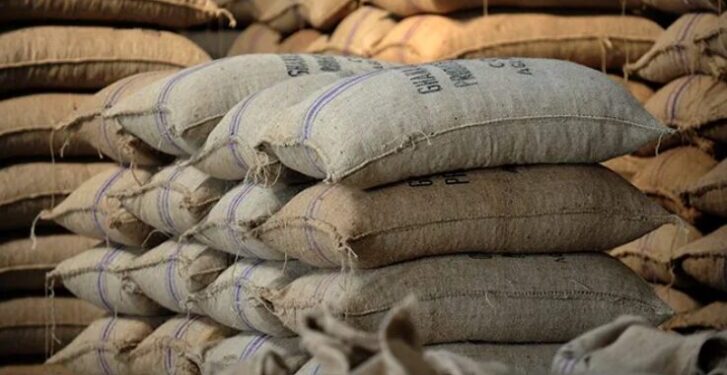
Ghana ranked fourth among major cocoa-producing countries exporting cocoa beans to Europe between 2021 and 2024. An average of 53.7% of Ghana’s cocoa bean exports went to the European market during this period. This data comes from an analysis by Fitch Solutions.
This significant export volume underscores West Africa's strong reliance on the European market for its cocoa beans. Cameroon led the region with 74.7% of its cocoa beans going to Europe. Nigeria followed with 57.8%, and Côte d’Ivoire sent 57.4% of its beans to the continent. These figures highlight a regional trend of exporting raw commodities.
Ghana’s position in this ranking reflects a broader economic challenge for the nation and the West African region. Despite producing about 65% of the world's cocoa, countries like Ghana capture only a small part of the value. Most profits are made through processing and manufacturing finished products elsewhere. This situation limits potential revenue and job creation within the country.
Fitch Solutions highlighted the challenge of exporting cocoa primarily as raw beans. They noted that greater value is generated through processing into products like cocoa paste, butter, and powder. Increased local processing could significantly boost Ghana's earnings from its cocoa sector. This strategy would allow Ghana to retain more of the value chain.
Recent data from the Ghana Export Promotion Authority shows some positive movement in local processing. In 2025, cocoa paste exports generated about GHS 789.3 million in revenue. Cocoa butter brought in GHS 635.7 million, and cocoa powder earned GHS 233.8 million. These figures indicate a growing capacity for value-added production.
The European Union remains a crucial market for Ghanaian cocoa. In 2024, processed cocoa products made up about 46% of Ghana’s cocoa exports to the EU. This demonstrates a dual trade relationship, involving both raw and semi-processed goods. The EU's demand influences Ghana's export strategies.
Looking ahead, new sustainability and traceability requirements in Europe could impact cocoa trade dynamics. The European Union is increasingly focusing on issues like deforestation and sustainable production. These regulations may influence how Ghana and other producers manage their cocoa supply chains. Compliance will be essential for market access.
These developments strengthen calls for Ghana to expand its local processing capabilities. Moving beyond exporting mainly raw cocoa beans is crucial for economic growth. This shift would allow Ghana to capture more value from its primary agricultural export. It would also create more local jobs and diversify the economy.
Decision-makers and industry stakeholders will closely watch how Ghana adapts to these market shifts. Investing in processing infrastructure and adhering to new European standards will be key. The future of Ghana's cocoa sector depends on these strategic adjustments. This will ensure continued access to vital international markets.