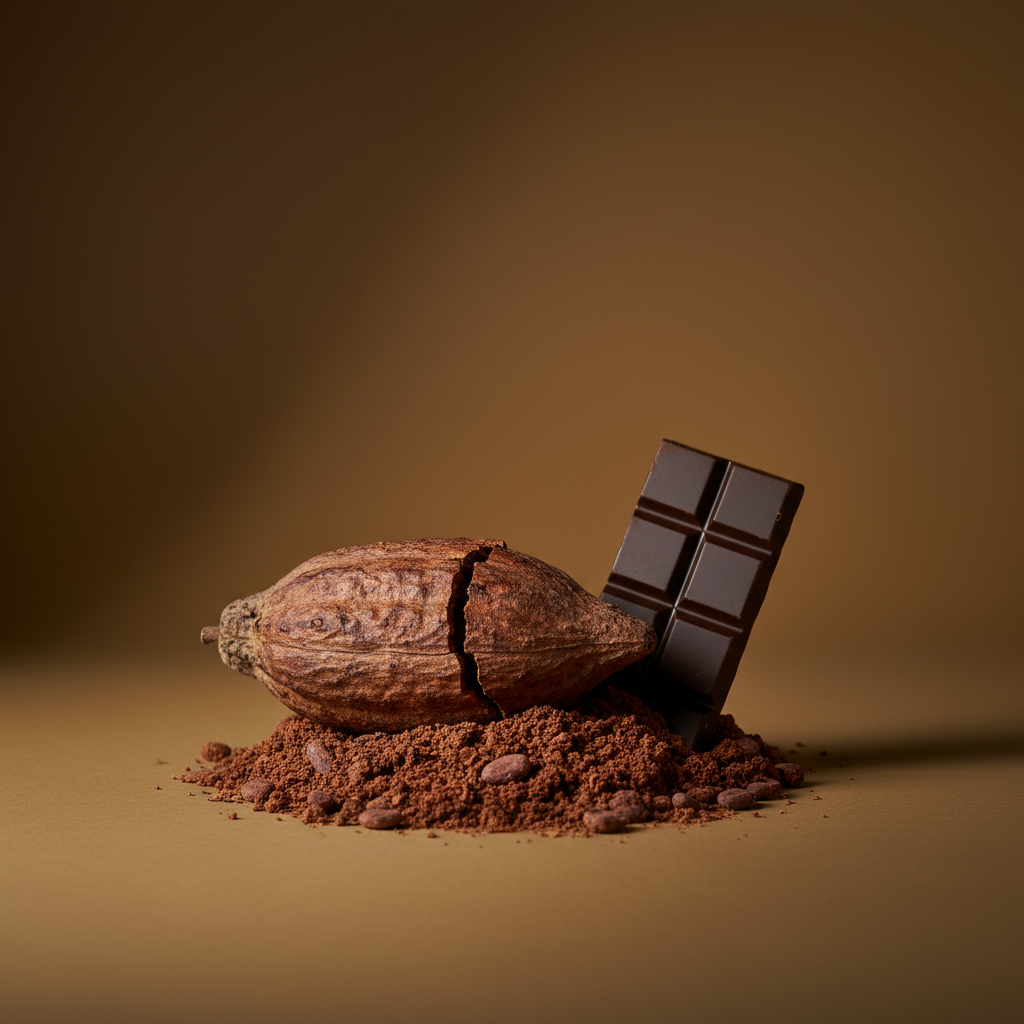
Ghana's cocoa production is expected to fall by at least 16% in the 2026-2027 season. Market regulator COCOBOD made this announcement, citing several critical factors for the anticipated decline. This significant reduction will impact Ghana's agricultural sector and its foreign exchange earnings.
The projected decrease is primarily due to the likelihood of El Niño conditions, which bring adverse weather patterns. Excessive rainfall in May and June this year also contributed to poor crop development. The natural physiological bearing pattern of cocoa trees, which alternate between high and low yield years, is another key factor. These conditions have led to a low cherelle load, meaning fewer small pods are maturing into harvestable cocoa beans.
This expected downturn fits into a broader narrative of challenges facing Ghana's cocoa industry. The Western and Western North regions, which account for over half of Ghana's total cocoa output, are particularly affected. Here, the situation is aggravated by the combined effects of swollen shoot disease, which devastates cocoa trees, and the increasing prevalence of aging cocoa farms. Furthermore, illegal gold mining, locally known as galamsey, continues to pose a severe threat. Galamsey operations often lead to the destruction of cocoa farms, as land is taken over for mining activities, reducing available agricultural land.
COCOBOD, in response to inquiries from Reuters, confirmed these challenges. The regulator acknowledged the warnings from farmers in the Western and Western North regions, who had reported sharply reduced pod counts earlier in the season. These farmer reports align with COCOBOD's own assessment of the deteriorating conditions. The situation in Ghana also reflects a regional trend, as West Africa's cocoa outlook has been revised lower. Ivory Coast, the world's largest cocoa producer, also anticipates a more than 10% fall in its output next season.
In an effort to mitigate these substantial losses, COCOBOD has initiated several interventions. These include rehabilitating infected farms, particularly in the Western North Region, to restore productivity. The regulator is also expanding insecticide and fungicide spraying programs to combat pests and diseases more effectively. Additionally, COCOBOD is reintroducing a nationwide free fertiliser distribution scheme for the 2026/27 crop year. These measures aim to support farmers and protect the remaining cocoa stock, but the scale of the projected decline indicates the severity of the challenges.
The implications of this forecast are significant for Ghana's economy. Cocoa is a major export commodity, and a 16% drop in production will reduce export revenues. This could put pressure on the Ghana cedi (GHS) and impact the livelihoods of thousands of cocoa farmers. Decision-makers will need to closely monitor the effectiveness of COCOBOD's interventions and consider further strategies to safeguard this vital sector. The market will also be watching global cocoa prices, which could react to reduced supply from major producers like Ghana and Ivory Coast.