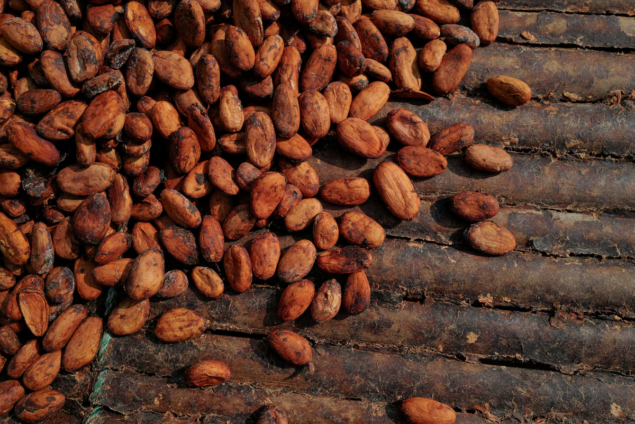
Ghana's cocoa production is projected to fall by at least 16% in the 2026 to 2027 season. The market regulator, COCOBOD, confirmed this significant expected decline. This reduction marks a critical challenge for one of Ghana's primary export commodities.
The anticipated drop stems from several factors, including adverse weather conditions and the natural fruit-bearing cycle of cocoa trees. COCOBOD specifically cited the likelihood of El Niño conditions and excessive rainfall in May and June this year. These environmental stresses severely impact crop yields and the health of cocoa plants.
This forecast fits into a broader narrative of challenges facing Ghana's agricultural sector and its economy. Cocoa is a major foreign exchange earner, and a substantial decline in production will affect national revenue. The issue also highlights the vulnerability of Ghana's economy to climate change and environmental degradation.
COCOBOD, responding to inquiries from Reuters, detailed the reasons for the expected decline. The regulator mentioned the physiological bearing pattern of the cocoa tree, which naturally alternates between high and low yield years. This natural cycle, combined with other factors, contributes to the current pessimistic outlook.
A low cherelle load, meaning fewer small pods survive to maturity, has been observed in the Western and Western North regions. These two regions collectively account for more than half of Ghana's total cocoa output. The situation in these key areas has worsened due to swollen shoot disease, aging cocoa farms, and an increase in illegal gold mining, known locally as galamsey.
Galamsey operations often lead to the takeover of fertile farmlands, further reducing available land for cocoa cultivation. This illegal activity not only destroys farms but also causes significant environmental damage, impacting long-term agricultural sustainability. The combination of these factors creates a complex problem for cocoa farmers and the industry.
The projection for the 12-month season, which begins in September, follows earlier warnings from farmers. Farmers in the Western and Western North regions had already reported sharply reduced pod counts this season. Their observations align with COCOBOD's official forecast, underscoring the severity of the situation on the ground.
COCOBOD has implemented several measures to mitigate these losses. These actions include rehabilitating infected farms, particularly in the Western North Region. The regulator is also expanding insecticide and fungicide spraying programs to combat diseases and pests. A nationwide free fertilizer distribution scheme will be reintroduced for the 2026/27 crop year to support farmers.
The outlook for cocoa in West Africa has generally been revised lower across the region. Ivory Coast, the world's largest cocoa producer, also expects its output to fall by more than 10% next season. This regional trend suggests a broader impact of climate and disease on the global cocoa supply chain.
The implications of this decline are significant for Ghana's economy and global cocoa prices. A reduced supply from major producers like Ghana and Ivory Coast could lead to higher prices for chocolate and other cocoa products worldwide. Domestically, it could impact the livelihoods of thousands of cocoa farmers and related industries.
Decision-makers will need to monitor the effectiveness of COCOBOD's interventions and explore additional strategies. These strategies could include further investment in disease-resistant varieties and sustainable farming practices. The long-term stability of Ghana's cocoa sector depends on robust responses to these multifaceted challenges.