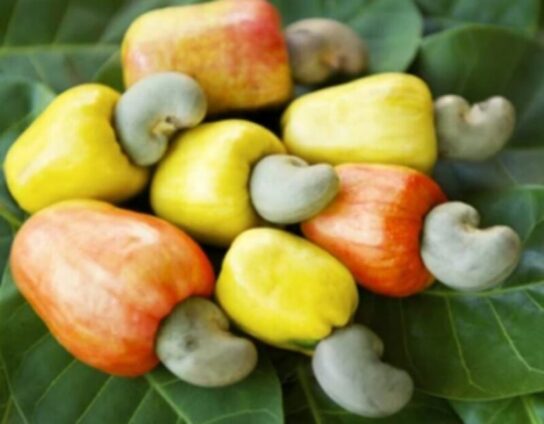
Ghana processes less than six percent of its annual raw cashew nut production. The country produces an estimated 262,000 metric tonnes of raw cashew nuts each year. This low local processing capacity means Ghana exports most of its nuts in raw form, primarily to Vietnam and India.
This situation causes Ghana to lose significant economic benefits. Industry players warn of missed opportunities for job creation, industrial growth, and increased export earnings. Farmers also face declining farm-gate prices due to market uncertainties and limited local demand.
This challenge fits into Ghana's broader economic narrative of struggling to add value to its raw commodities. The country often exports primary products, missing out on the higher profits from processed goods. This trend hinders industrialisation and job creation efforts across various sectors.
Industry observers stress that increasing local processing capacity is crucial. This would create a stable market for farmers and ensure more value stays within Ghana. The current approach limits the economic impact of a valuable agricultural commodity.
The lack of local processing has significant implications for Ghana's economy. It means fewer jobs in processing factories and less foreign exchange from higher-value exports. Decision-makers must address this gap to unlock the full potential of the cashew sector.
While Ghana struggles, Côte d’Ivoire has become a global leader in cashew processing. Its production grew from 180,000 tonnes in 2005 to 1.5 million tonnes in 2025. Côte d’Ivoire now has 93 active cashew processing factories, making it the third-largest processor worldwide.
Côte d’Ivoire’s success comes from deliberate government interventions. Since 2016, the government has offered financial support, tax exemptions on processing equipment, and guaranteed access to raw materials. These policies attracted investments and strengthened local industries.
The Ivorian cashew sector supports about three million people. It covers 70 percent of the country’s territory. The processing industry alone created 20,000 direct jobs, with women holding 66 percent of these positions.
Côte d’Ivoire aims to process 50 to 60 percent of its raw cashew production locally by 2030. This strategy includes processing one million tonnes of nuts domestically. It also promotes locally owned processing companies and improves storage facilities.
Ghanaian stakeholders are calling for similar strong policies. They advocate for increased investment in processing factories and better access to finance. Incentives for local and foreign investors are also seen as vital.
Experts believe Ghana's focus must shift from just increasing production to capturing more value. Strengthening local processing could transform the industry. It could become a major source of jobs, income, and industrial development for the nation.
The global demand for cashew products continues to rise. This presents a clear opportunity for Ghana. Closing the processing gap is an urgent task to ensure farmers and the economy benefit fully from Ghana’s cashew resources.
Ghana must learn from Côte d’Ivoire’s proactive approach. Developing by-products and promoting Ghanaian cashew kernels internationally are also key. These steps will help Ghana compete effectively in the global cashew market.