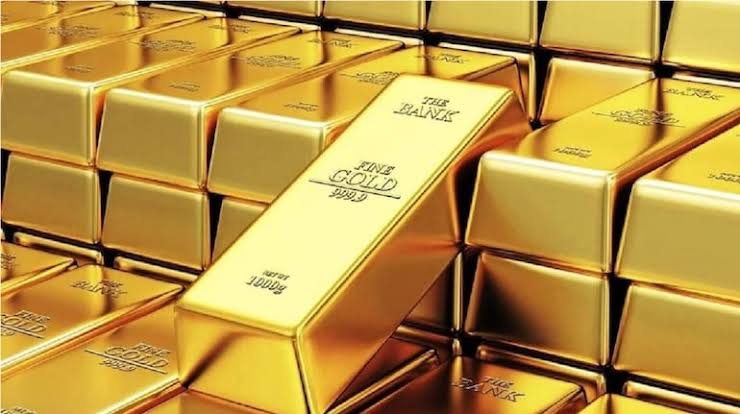
Ghana has become the world’s sixth-largest gold producer, producing 185 tonnes of gold in 2025. This new ranking positions Ghana ahead of the United States in global gold output.
The Ghana Chamber of Mines confirmed this significant achievement, noting an increase in Ghana’s domestic production. This rise also coincided with a decline in gold output from the United States. The shift marks an improvement from Ghana’s previous seventh position among global producers.
This development underscores Ghana’s growing importance in the global commodities market. Gold exports are a major source of foreign exchange for the country. Increased production can boost national revenue and strengthen the Ghana cedi against major currencies. This also reflects ongoing investment and operational improvements within Ghana’s mining sector.
Christopher Nyarko, Director of Analysis, Research and Finance at the Ghana Chamber of Mines, provided these details. He explained that the United States faced technical challenges in Nevada, a key gold-producing region. This contributed to their production decline in 2025, allowing Ghana to move up.
The improved ranking has significant implications for Ghana’s economic outlook. Higher gold production could attract more foreign direct investment into the mining sector. It also provides a stronger negotiating position for Ghana in international trade agreements. Decision-makers will likely focus on sustaining this growth and ensuring responsible mining practices.
Ghana’s gold production reached 5.94 million ounces in 2025, a record year for the nation. Small-scale mining played a crucial role in this success. It accounted for 52.38% of the total gold output, exceeding large-scale mining for the first time. This highlights the vital contribution of artisanal and small-scale miners to the national economy.
The Ghana Chamber of Mines projects continued growth in the coming year. They forecast national gold output for 2026 to be between 6.1 million and 6.7 million ounces. This optimistic outlook suggests a sustained upward trend for Ghana’s gold sector. Such growth could further solidify Ghana’s position among top global producers.
Globally, China remains the largest gold producer. Russia, Australia, Canada, and Peru follow China in the rankings. Ghana now sits just after Peru, completing the top six. The Chamber relies on independent sources for its global production figures, ensuring accuracy.
This achievement is a testament to the resilience and potential of Ghana’s mining industry. It also emphasizes the need for effective regulation and support for both large and small-scale operations. The government will need to manage environmental and social impacts carefully. This ensures long-term benefits from this increased production.
The economic benefits extend beyond direct revenue. Increased gold production supports local businesses and creates employment opportunities. This contributes to overall economic development and poverty reduction. Ghana’s rise in the gold market is a positive indicator for its economic future.