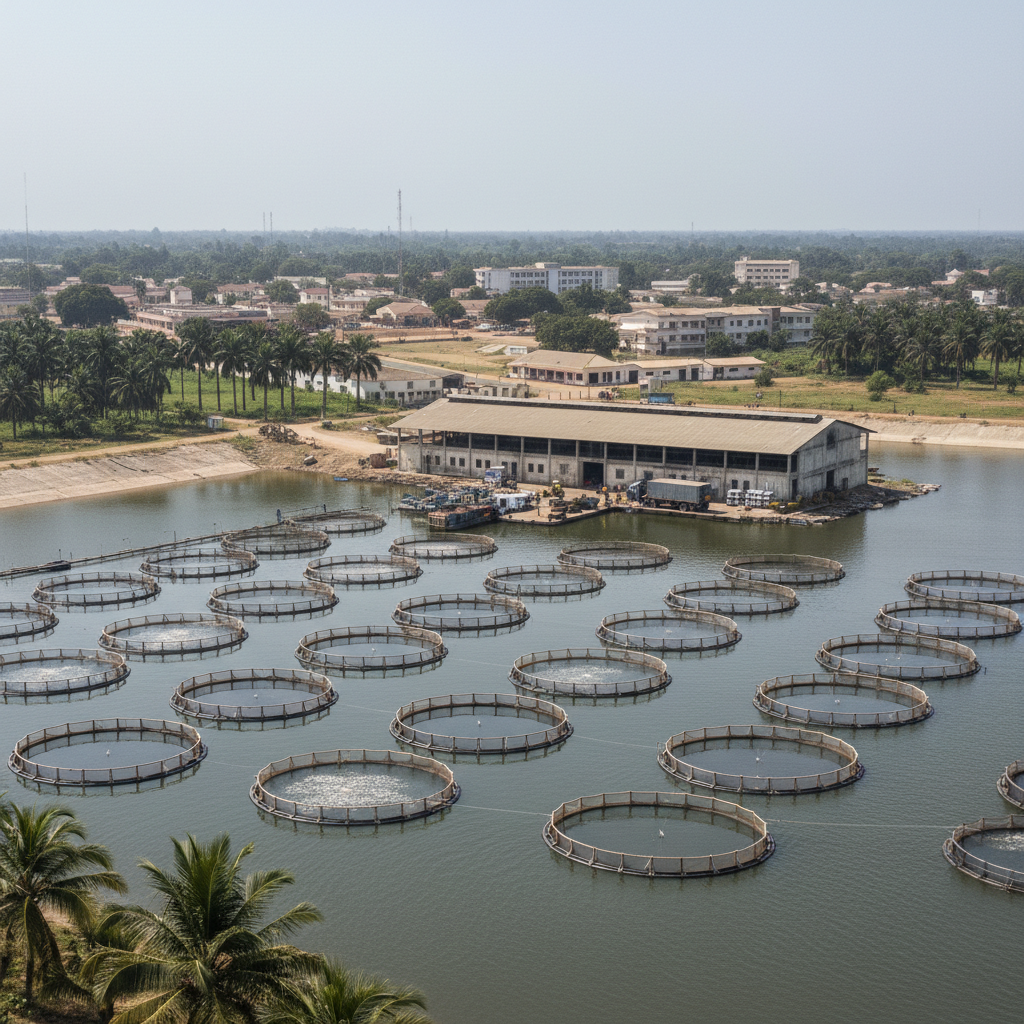
Ghana's aquaculture sector is embracing innovation partnerships to tackle long-standing issues and improve fish production. These collaborations bring together local institutions, government agencies, research organizations, and international partners. The primary goal is to enhance productivity, strengthen sustainability, and build a more resilient aquaculture value chain.
Innovation-driven programs are addressing inconsistent fingerling quality, poor hatchery performance, and limited technical capacity. High production costs and weak market linkages also present significant hurdles for the sector. These initiatives utilize business incubation, technology transfer, and farmer training to introduce better practices and improve efficiency.
This push for a more sustainable 'blue economy' aligns with Ghana's broader economic development goals. Improving aquaculture can enhance food security, create jobs, and reduce the country's reliance on fish imports. The sector's growth supports environmentally responsible food production, contributing to long-term national prosperity. Data shows a rising demand for fish, intensifying pressure on wild fisheries and making farmed fish crucial.
The Chamber of Aquaculture Ghana is a key player, hosting the Blue Food Innovation Hub (BFIH). The BFIH supports aquaculture entrepreneurs with incubation, mentorship, technical training, and networking opportunities. This initiative aims to accelerate innovation and enterprise growth within Ghana's aquaculture sector. A UKRI-supported partnership involving the Chamber of Aquaculture Ghana, FutureFish, and SmartHatch Brazil focuses on improving tilapia hatchery performance. This collaboration highlights the critical role of coordinated action among various stakeholders for sustainable development.
Despite these investments, translating innovations into tangible improvements for small- and medium-scale farmers remains a challenge. Farmers often face limited access to quality seed, affordable feed, financing, and reliable markets. Many innovation projects also remain concentrated in pilot locations, which limits broader impact. Scaling successful interventions will require stronger coordination and continuous monitoring.
The future of Ghana's blue economy depends on profitable farms, resilient supply chains, and skilled producers. Addressing input costs, access to finance, technical capacity, and market access is essential for innovation to yield lasting results. Successful implementation will require sustained collaboration among government, research institutions, development partners, financial institutions, and the private sector.
Policies must support large-scale adoption of proven technologies and best management practices. This comprehensive approach will ensure innovation benefits all farmers and strengthens Ghana's food security. Increasing productivity and profitability in the aquaculture sector is a key step towards economic stability and growth.