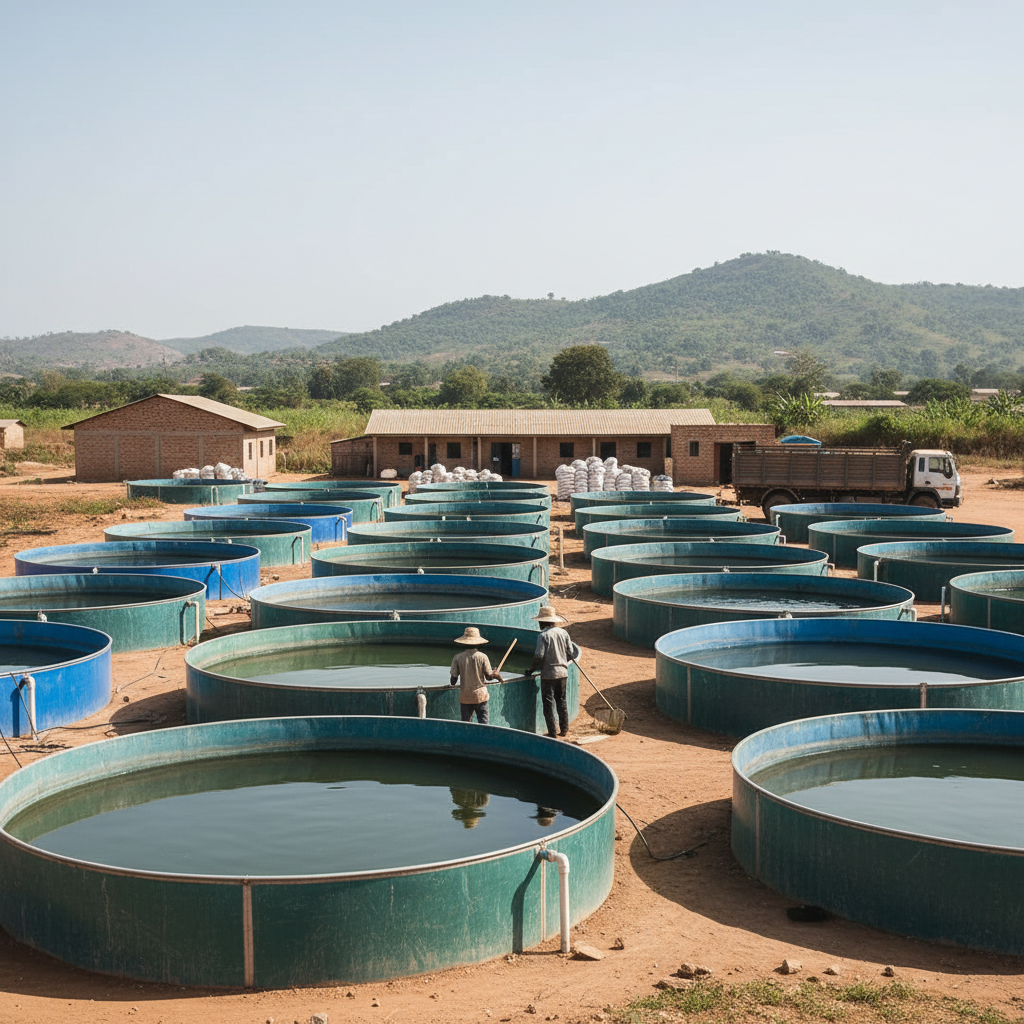
Ghana’s aquaculture sector is undergoing a significant transformation. New partnerships are driving innovation to improve fish production and sector sustainability. These efforts connect local institutions, government, research bodies, and international partners. They aim to strengthen Ghana's 'blue economy'.
These collaborations address critical issues within the aquaculture industry. They focus on inconsistent fingerling quality, poor hatchery performance, and limited technical capacity. High production costs and weak market connections for fish farmers are also key targets. The ultimate goal is to boost overall productivity and resilience in the sector.
This push for innovation aligns with Ghana's broader economic strategy. The country seeks to enhance food security and create employment opportunities. Reducing reliance on fish imports is another important objective. These measures contribute to a more environmentally responsible food production system.
The Chamber of Aquaculture Ghana is a key player in this transformation. It hosts the Blue Food Innovation Hub (BFIH). The BFIH supports aquaculture entrepreneurs through business incubation and mentorship. It also provides technical training and networking opportunities. This initiative aims to accelerate innovation and enterprise growth within the sector.
One notable collaboration involves a UKRI-supported innovation partnership. This partnership includes the Chamber of Aquaculture Ghana, FutureFish, and SmartHatch Brazil. They are specifically addressing the persistent challenge of tilapia hatchery performance. They also focus on producing high-quality fingerlings. The partners share knowledge and technical expertise to achieve these goals.
Despite increasing investment, implementing these programs at the farm level remains challenging. Many smallholder farmers still lack access to quality seed and affordable feed. Financing, technical extension services, and reliable markets are also often unavailable. Innovation projects are sometimes limited to pilot locations, hindering wider benefits.
Scaling successful interventions requires better coordination among implementing organizations. Continuous monitoring and evaluation are essential. Policies must also support the wider adoption of proven technologies. Best management practices need to be encouraged across the sector.
Strengthening aquaculture is vital for Ghana's 'blue economy' agenda. This agenda promotes economic growth through sustainable ocean resources. It seeks to improve livelihoods and reduce fish imports. Ensuring profitability, resilient supply chains, and skilled producers are key to long-term success. Addressing input costs, access to finance, and market access will yield lasting results.
These innovation partnerships are crucial for reshaping Ghana's aquaculture sector. They introduce new technologies and strengthen entrepreneurial capacity. They also improve hatchery systems and foster collaboration. The next step is ensuring these innovations reach more farmers. The goal is measurable improvements in productivity, profitability, and resilience. This will require sustained collaboration and supportive policies at scale.