Ghana's Minerals Commission has declared that an estimated 3 trillion ounces of unmined gold reserves will only be exploited under new conditions. These new terms aim to guarantee meaningful benefits for Ghanaians while ensuring fair returns for investors. This policy shift underscores a national commitment to leverage mineral wealth for broader socio-economic advancement.
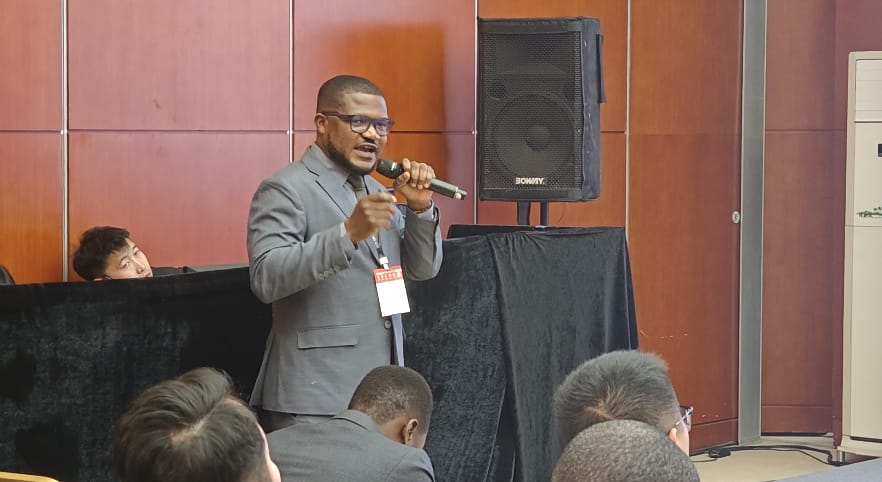
The Chief Executive Officer of the Minerals Commission, Isaac Tandoh, articulated this stance at the 2026 China Mining Conference in Tianjin. He emphasized Ghana's search for strategic investors and partnerships. These collaborations must ensure every ounce of extracted gold significantly contributes to the nation's development. This approach marks a departure from previous mining frameworks.
This development fits into Ghana's broader economic strategy to maximize returns from its natural resources. The country is Africa's largest gold producer, with mining contributing significantly to its Gross Domestic Product. Previous administrations have faced criticism over perceived insufficient local benefits from mining operations. This new policy seeks to address those concerns directly.
Mr. Tandoh stated, "Ghana still has about 3 trillion ounces of gold on the ground." He added, "This is the only condition under which this estimated 3 trillion ounces would be mined." He highlighted the need for the "best of the best" partners to ensure impact on people's lives. This statement signals a more assertive posture from the government regarding resource management.
The implications are significant for both potential investors and the Ghanaian economy. Investors must now align with Ghana's focus on win-win partnerships and local value addition. This could lead to increased local content requirements and skills development initiatives. The government aims to attract responsible investment that fosters sustainable growth and job creation. This shift could reshape the future of Ghana's mining sector.
Ghana offers a stable investment environment, according to the Minerals Commission CEO. He cited robust mine-support services and legal protections for investors, including safeguards against expropriation. The Ghana Investment Promotion Centre (GIPC) also plays a role in protecting investors. These assurances aim to balance investor confidence with national benefit objectives.
The licensing system provides transparency in application processing, operating on a first-come, first-served basis. There is also security of tenure over mining titles, with rights to pledge and alienate them freely. These measures are designed to create a predictable and fair operating environment. They support the government's push for more impactful mining partnerships.
Mr. Tandoh stressed that Ghana seeks partnerships delivering benefits to both investors and the Ghanaian people. The new mining approach focuses on translating mineral extraction into greater economic value. This includes creating jobs, fostering skills development, and improving livelihoods. This comprehensive strategy aims to ensure that Ghana's gold wealth truly serves its citizens.
The Ghana Day event at the China Mining Conference showcased the country's mineral potential. Officials from the Ghana Geological Survey Authority also presented on geological endowment. The Ghana Integrated Iron and Steel Development Corporation discussed its role in resource development. These presentations reinforced Ghana's commitment to strategic resource management.