The Ghana Commodity Exchange (GCX) has called for a policy requiring foreign buyers of Ghanaian agricultural commodities to purchase through the exchange. This mandate would prevent direct sourcing from farm gates. The GCX believes this measure will regulate the agricultural market, improve price stability, and increase government revenue.
Joseph Nai Anum, Managing Marketing and Business Development at the GCX, stated that direct foreign purchases create significant competition for local processors. These foreign buyers often bypass established market structures. This practice disrupts the domestic agricultural value chain and affects local businesses. The proposed policy aims to level the playing field for Ghanaian processors.
This initiative fits into Ghana's broader economic strategy to formalize its agricultural sector. It seeks to enhance transparency and efficiency in commodity trading. The government has been working to improve data collection for better national planning. This policy would provide crucial insights into commodity flows and market dynamics.
Mr. Anum explained that regulating foreign buyers through the GCX would stabilize the agricultural space. It would also ensure fairer prices for farmers. He added that the government would collect taxes more effectively from these foreign transactions. This would boost public finances and support agricultural development.
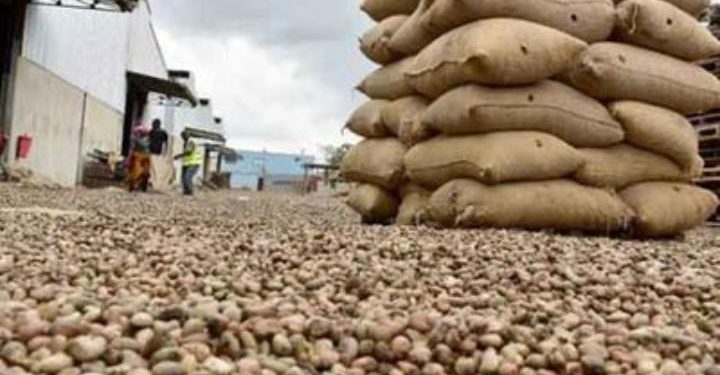
The GCX's next objective is to facilitate trading of export-oriented commodities like cashews, shea nuts, and soybeans. This expansion would be supported by government policy. Requiring foreign buyers to trade through the GCX would bring several benefits. These include improved tax collection, better price regulation, and enhanced government oversight of commodity flows.
The system would also provide critical data on the volume of commodities leaving the country. This information would enable the government to make better-informed decisions on agricultural policies. It would also aid in national planning. Knowing export volumes helps in managing supply and demand within the country.
Wendy Malm, Head of Operations at the Ghana Commodity Exchange, encouraged farmers and businesses to use the exchange. She highlighted benefits such as improved market access, secure storage facilities, and financing opportunities. Farmers bringing commodities to GCX warehouses would benefit from insurance coverage. This protects their produce against loss or damage.
Farmers can also access finance through the warehouse receipt financing system. This system allows them to use their stored commodities as collateral for loans. They would also benefit from competitive prices offered through the GCX trading platform. This ensures they receive fair value for their produce.
Mrs. Malm urged buyers, including food producers and animal feed manufacturers, to source commodities through the exchange. This guarantees access to quality grains in the right quantities. The GCX ensures that commodities meet specific quality standards. This is crucial for food safety and industrial use.
Mr. Anum also promoted the consumption of local staples traded through the GCX. He stressed that the platform promotes food safety standards. Commodities traded through the exchange are tested for quality. This includes protection against harmful substances like aflatoxin. This ensures safer food for Ghanaian consumers.
The Ghana Commodity Exchange was established to improve transparency and efficiency in Ghana’s agricultural markets. It provides a regulated platform for farmers, traders, processors, and buyers. This structured environment aims to foster fair trade practices and economic growth in the agricultural sector.