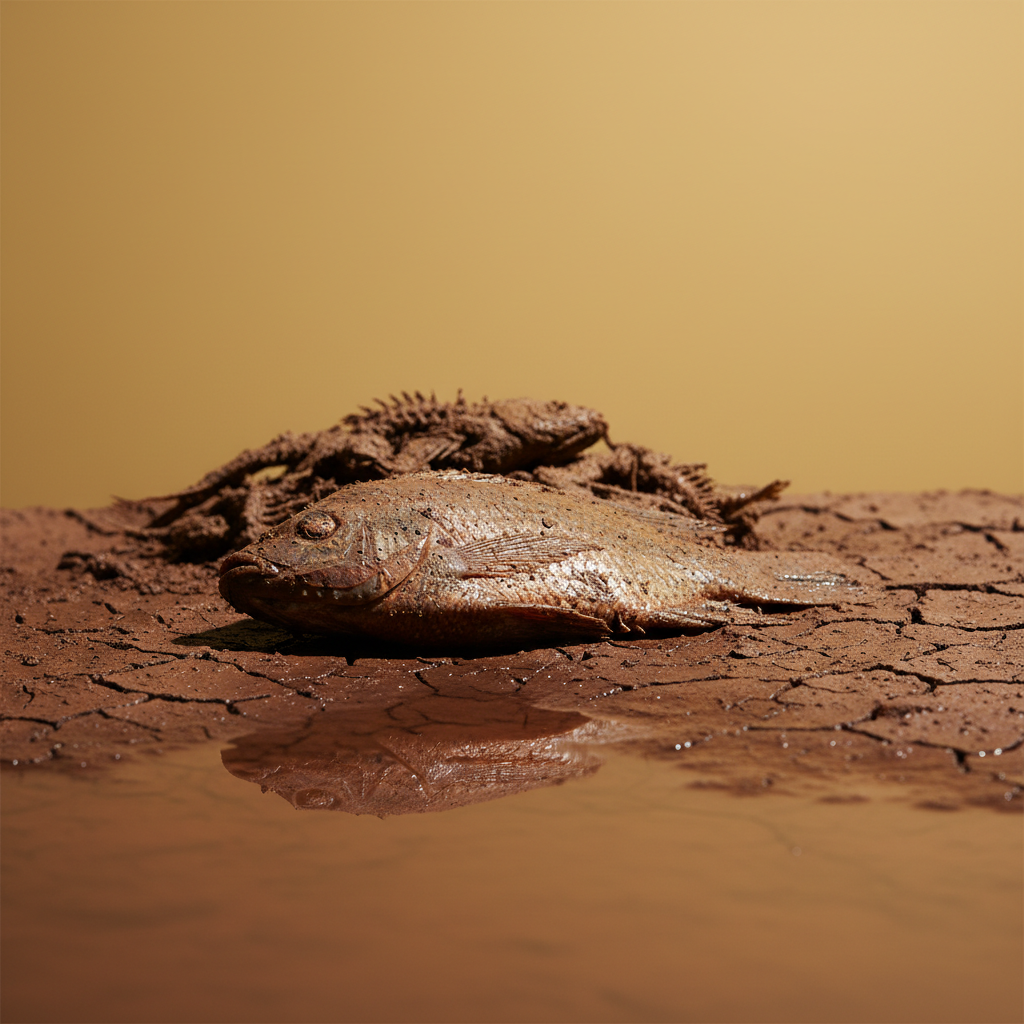
Illegal mining, commonly known as galamsey, has caused a significant decline in fish production across the Bono Region. Charlotte Ndah, the Wenchi Zonal Director of the Fisheries Commission, confirmed this alarming trend on July 27, 2026, citing widespread complaints from local fishermen.
Fishermen operating on the Bui Dam Reservoir in the Banda District have reported consistently reduced fish catches. They attribute this directly to illegal mining activities in their areas. The chemicals used by these miners are poisoning water bodies, exterminating fish populations and driving away others, severely affecting the aquatic ecosystem.
This issue highlights a persistent challenge in Ghana's economic landscape, where the pursuit of mineral resources often conflicts with environmental sustainability and other economic sectors. The Bono Region, known for its agricultural and fishing activities, faces a direct threat to its food security and local economies. The broader context of galamsey has seen widespread environmental degradation across Ghana, affecting water sources, farmlands, and public health.
Mrs. Ndah stated, "The chemicals being used by the illegal miners have exterminated and also driven the fishes away and seriously affected our waters." She emphasized that effective law enforcement is crucial for curbing illegal mining and protecting vital water bodies. The Commission's law enforcement unit is actively collaborating with various stakeholders to control these illicit activities and preserve the region's water resources.
The decline in fish production has immediate implications for the livelihoods of thousands of fishermen and their families in the Bono Region. It also raises concerns about the long-term environmental health of Ghana's water systems and the sustainability of its natural resources. Decision-makers will need to strengthen enforcement mechanisms and explore alternative economic opportunities for communities reliant on mining to mitigate these impacts. The situation underscores the urgent need for a comprehensive national strategy to combat galamsey effectively.
This environmental crisis could also affect Ghana's overall food supply chain, potentially leading to increased reliance on imported fish. The economic impact extends beyond the immediate fishing communities, influencing market prices and consumer choices. Continued degradation of water bodies will necessitate significant investment in environmental restoration, adding a financial burden to the national budget. The University of Energy and Natural Resources (UENR) is actively researching sustainable development, indicating academic recognition of the problem's severity. Professor Elvis Asare-Bediako, Vice-Chancellor of UENR, reaffirmed the university's commitment to research and community engagement in this area. This academic involvement suggests a multi-faceted approach will be required to address the complex challenges posed by illegal mining.