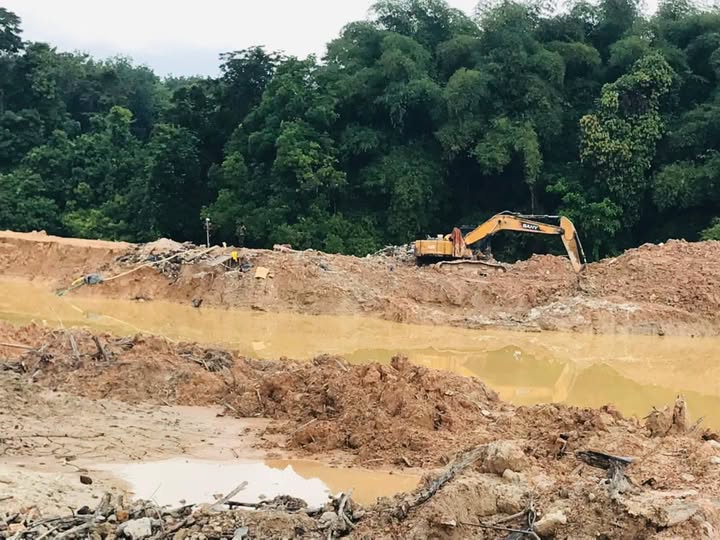
Illegal mining, known as galamsey, has destroyed over 2,000 acres of forest around Lake Bosomtwe. This destruction represents a significant loss of prime natural habitat near one of Ghana's most important natural landmarks.
These widespread illegal mining activities have left a trail of environmental devastation. They directly impact biodiversity, water quality, and the overall ecological balance of the region. The continuous degradation threatens the long-term health of Lake Bosomtwe, a unique meteorite impact lake.
This environmental catastrophe around Lake Bosomtwe underscores Ghana's ongoing struggle with unregulated mining. Galamsey operations often involve the use of heavy machinery and harmful chemicals like mercury and cyanide. These substances pollute water bodies and destroy fertile land, impacting local agriculture and communities. The issue has become a major political and economic challenge for successive governments.
The Kumasi Mail reported this extensive destruction in its recent publication. Such reports regularly highlight the severe consequences of unchecked illegal mining across various parts of Ghana. Environmental protection agencies and advocacy groups consistently voice concerns about the increasing scale of galamsey.
The implications are far-reaching, affecting local communities dependent on the lake for livelihood and water. Protecting Lake Bosomtwe, designated a UNESCO Biosphere Reserve, is crucial for both its ecological value and its potential for sustainable tourism. Decision-makers must urgently implement more stringent enforcement measures and alternative livelihood programs to curb further destruction. The government's actions in response to this particular incident will be closely watched.
The economic cost of galamsey extends beyond immediate environmental damage. It includes lost agricultural potential, health impacts from pollution, and reduced long-term revenue from tourism. Reclaiming and rehabilitating the destroyed land will require substantial investment and sustained effort. This situation also reflects the tension between economic pressures faced by local populations and the need for environmental preservation. Effective policy must address both these aspects to achieve sustainable development.