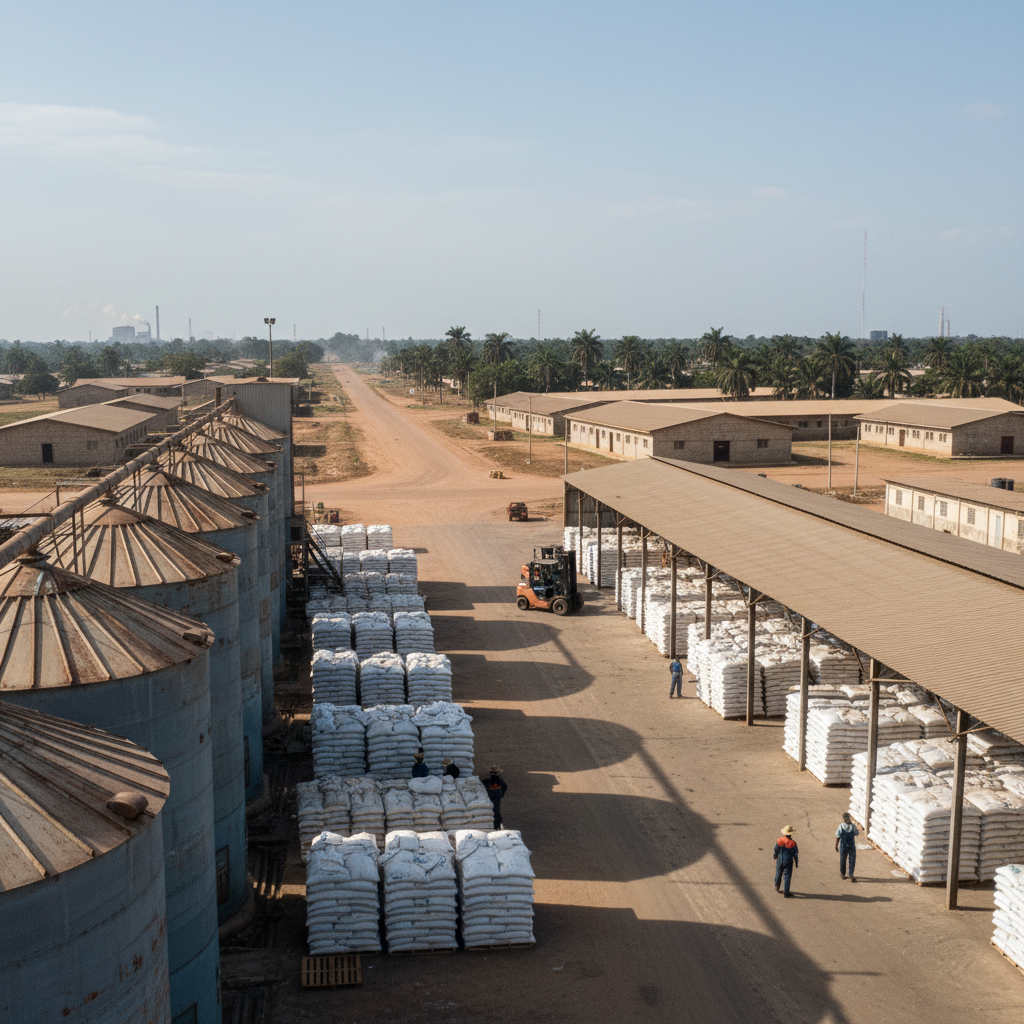
The Member of Parliament for Dome-Kwabenya, Elikplim Akurugu, has issued a stern warning to local farmers against the unauthorised sale of state-subsidised agricultural inputs. This caution follows a large-scale fertiliser distribution exercise. These fertilisers are crucial for supporting farmers within the constituency.
The initiative forms part of the MP's efforts to promote local agriculture. It also aims to strengthen community food security. Improving the livelihoods of smallholder farmers in the area is another key objective. Rising operational costs, especially for farm inputs like fertiliser, have significantly pressured farmers recently.
This issue fits into a broader national challenge regarding the diversion of subsidised farm inputs. Lawmakers and agricultural stakeholders have repeatedly raised concerns about this problem. Products meant to support farmers often end up in the hands of commercial agrochemical dealers. The government's Planting for Food and Jobs programme, for example, has invested over GHS 4.2 billion into fertiliser subsidies since 2017 to boost crop yields.
Addressing beneficiaries, Ms. Akurugu stressed that farmers must use the fertilisers strictly for their intended purpose. They must not divert them for sale. She warned that strict monitoring mechanisms will ensure only genuine farmers benefit. These mechanisms will also ensure the fertilisers are applied directly to crop production.
The successful implementation of such programmes is vital for Ghana's agricultural sector and food security. Continued monitoring and enforcement will be crucial to prevent the diversion of inputs. This will help ensure that government subsidies achieve their intended impact on farmer productivity and incomes. Decision-makers will observe the effectiveness of these measures.
The unauthorised sale of subsidised inputs undermines government efforts to support farmers. It also distorts market prices for agricultural products. Such diversions can lead to higher food prices for consumers. They can also reduce the overall effectiveness of state-funded agricultural development initiatives. This practice impedes Ghana's progress toward agricultural self-sufficiency and economic stability.
Ghana's agricultural sector contributes significantly to the national Gross Domestic Product (GDP). It employs a large percentage of the population. Ensuring integrity in input distribution programmes is therefore paramount. These programmes maintain farmer confidence and boost the sector's output. The Ministry of Food and Agriculture (MoFA) aims to increase food production by 30% through such interventions.