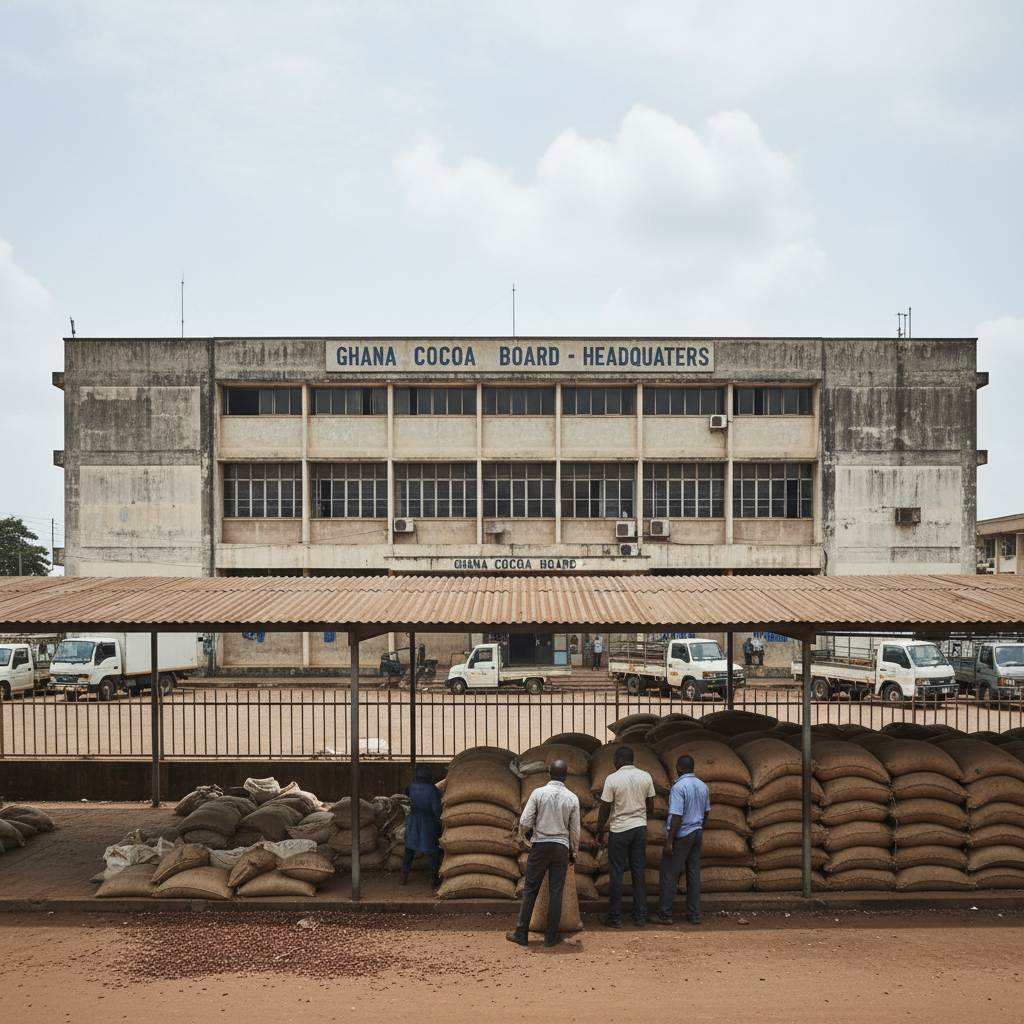
The Ghana Cocoa Board (COCOBOD) failed to meet its self-imposed end-of-June deadline to clear over GHS 6 billion owed to cocoa farmers and Licensed Buying Companies (LBCs). An estimated GHS 3.4 billion remains outstanding. This shortfall comes despite a firm assurance from COCOBOD's Head of Public Affairs.
Jerome Sam stated on June 15 that the arrears would be almost entirely settled by month’s end. He said only an insignificant amount would be left unpaid. However, figures released by COCOBOD after the deadline show this commitment was not met. The significant outstanding balance contradicts the public promise.
This failure affects Ghana's vital cocoa sector. Cocoa is a major export earner for the country. Delays in payments can reduce farmers' income and their ability to invest in their farms. This can affect future harvests and Ghana's overall cocoa output, impacting the nation's economy. The stability of the cocoa sector is crucial for Ghana’s economic well-being.
COCOBOD announced it released GHS 2.6 billion for cocoa purchases. GHS 1.4 billion of this was for farmers still owed for past crop seasons. GHS 1.2 billion was for LBCs that pre-financed cocoa purchases. Before this disbursement, COCOBOD acknowledged arrears exceeding GHS 6 billion. The GHS 2.6 billion represents about 43% of the outstanding obligations.
The remaining GHS 3.4 billion, or 57%, is yet to be paid. Mr. Sam's assurance that only an “insignificant amount” would be left was clearly mistaken. The significant unpaid balance shows a failure to deliver on the board's public commitment. This situation raises questions about COCOBOD's financial planning and communication strategies.
The unpaid balance continues to create difficulties for Licensed Buying Companies. Many LBCs use borrowed money to buy cocoa from farmers. They then wait for reimbursement from COCOBOD. Delays in repayment increase their borrowing costs. This also limits their liquidity, which is the money they have available. Reduced liquidity can make it harder for them to buy cocoa in future seasons.
For cocoa farmers, delayed payments directly affect their households. They rely on these payments for daily expenses. They also need funds to buy farm inputs like fertilisers and pesticides. Without timely payments, farmers may struggle to maintain their farms. This could lead to lower yields in the next production cycle, impacting their livelihoods and national production.
The latest figures highlight that COCOBOD made some progress in reducing its debt. However, it significantly missed the public timeline it set just a few weeks prior. This situation demands closer attention to COCOBOD’s financial management practices. It also requires clear strategies to prevent future payment delays and secure the cocoa sector's future.