The Chamber of Cocoa Marketers Ghana has issued a stark warning: Cocobod's outstanding debt of nearly GHS 4 billion to Licensed Buying Companies (LBCs) could severely disrupt cocoa purchases in the 2026/27 season. This significant financial burden prevents LBCs from securing fresh credit, jeopardizing their ability to buy cocoa from farmers.
LBCs are struggling to service existing loans taken to finance previous cocoa purchases. Many companies face high interest rates, some up to 40 percent, while awaiting payment from Cocobod. This financial strain makes it difficult for them to return to farms when the new season opens. The lack of timely payments has already led to the collapse of some LBCs, according to the Chamber.
This situation unfolds against a backdrop of broader challenges within Ghana's cocoa sector. Ghana is the world's second-largest cocoa producer, and the industry is a critical foreign exchange earner. The country's economic stability relies heavily on robust cocoa production and export. Previous seasons have seen Ghana lose significant cocoa volumes to neighbouring Côte d'Ivoire due to price differentials, highlighting the sensitivity of the market.
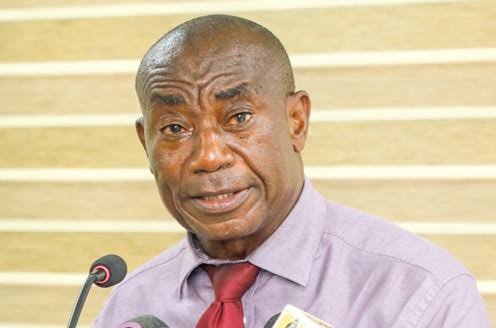
Victus Dzah, Chief Executive Officer of the Chamber of Cocoa Marketers Ghana, emphasized the gravity of the situation. He stated, "Cocobod has not paid us. How are we going to go back to the field to buy cocoa?" Mr. Dzah also raised concerns about Ghana's new pricing mechanism, which guarantees farmers 70 percent of the Free On Board (FOB) price. He warned that a substantial increase in Ghana's farmgate price could create a wider price gap with Côte d'Ivoire, which opened its 2026/27 season at 1,200 CFA francs per kilogramme.
A significant price difference between Ghana and Côte d'Ivoire could encourage increased cocoa smuggling across borders. This would lead to a loss of revenue for Ghana and potentially compromise the quality of Ghanaian cocoa on the international market. Mr. Dzah stressed the urgent need for effective measures to control this expected rise in smuggling. He also demanded clarity from Cocobod regarding its financing plans for the new season. Cocobod had announced intentions to raise funds through commercial paper and bonds, but LBCs report a lack of engagement on these new arrangements. "We are in the second week of September. Nobody has called us to tell us anything about what is going on," Mr. Dzah noted, highlighting the communication gap.
The implications of this debt crisis are far-reaching. Farmers could face delays or difficulties in selling their produce, impacting their livelihoods. The national economy could see reduced foreign exchange earnings from cocoa exports. International buyers might also face uncertainty regarding supply from Ghana. Decision-makers at Cocobod and the government must address the outstanding payments and provide clear communication on future funding mechanisms. Resolving the debt and ensuring transparent financing are crucial to maintaining stability in Ghana's vital cocoa industry and protecting its global market position. The Chamber calls for greater transparency and improved communication between Cocobod and LBCs to avert a major crisis in the upcoming cocoa season.