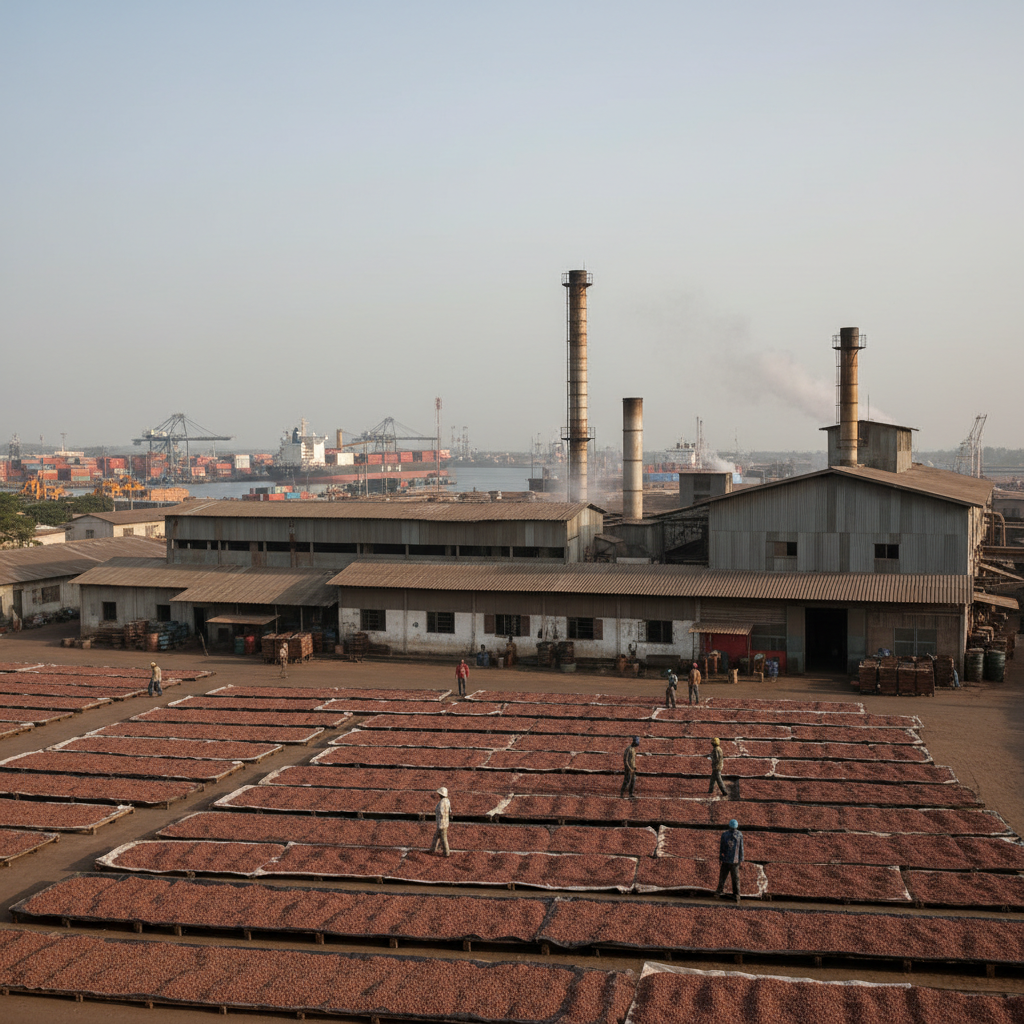
CMC Ghana has signed new off-take agreements with the United Arab Emirates (UAE) and Saudi Arabia for Ghana's semi-finished cocoa products. This strategic move directly supports the government's mandate to process 50% of Ghana's cocoa output domestically.
These deals are important for increasing local value addition in Ghana's cocoa sector. By processing more cocoa within the country, Ghana aims to capture a larger share of the global cocoa market's profits. This initiative also creates jobs and stimulates economic growth by expanding Ghana's manufacturing capacity.
The push for local cocoa processing is a key part of Ghana's broader industrialization strategy. Historically, Ghana has exported most of its cocoa as raw beans, missing out on the higher earnings from processed products like cocoa liquor and butter. This new development aligns with efforts to diversify the economy and reduce reliance on raw material exports, a common challenge for many African economies.
The commitment to process 50% of cocoa domestically was a significant policy unveiled by a previous government. Securing international buyers like those in the UAE and Saudi Arabia is vital for meeting this ambitious target. Long-term agreements provide the predictability needed for local processors to invest and expand their operations.
These off-take deals mean that Ghanaian processors will have guaranteed buyers for their semi-finished cocoa. This stability encourages further investment in cocoa processing facilities and technology. It also allows Ghana to move up the value chain from simply exporting raw beans. This shift can lead to higher export revenues and improved income for cocoa farmers in the long run.
This initiative could also influence global cocoa prices and trade dynamics. As Ghana increases its processed cocoa exports, it positions itself as a more significant player in the international market for value-added cocoa products. Decision-makers will monitor how these deals translate into increased processing plant activity and export volumes. The market will also watch for any impact on the pricing of Ghana's raw cocoa beans versus its processed products. This strategy could inspire other cocoa-producing nations to pursue similar value-addition policies. Ultimately, the success of these deals will be measured by their contribution to Ghana's economic diversification and industrial growth objectives. The agreements provide a clear pathway for Ghana to enhance its economic standing in the global cocoa industry.