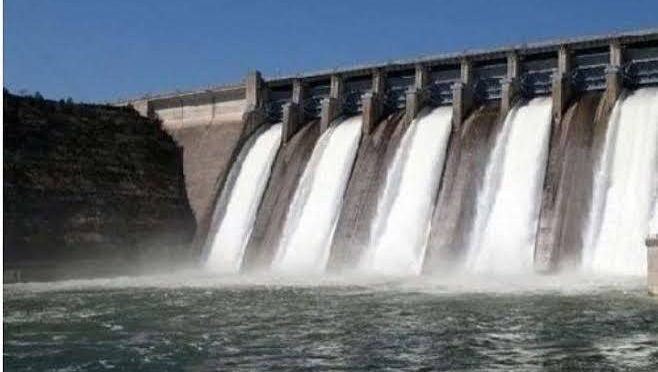
The National Disaster Management Organisation (NADMO) in Ghana's North East Region has issued a critical warning to farmers. The anticipated spillage of Burkina Faso's Bagre Dam threatens farms along the White Volta basin. This early timing could leave many farmers with insufficient time to harvest their crops before floodwaters arrive.
This year's spillage is expected earlier than the August 27 to 28 period observed last year. This accelerated timeline poses a significant threat to agricultural activities. North East Regional Director of NADMO, Tahiru Rafiu, highlighted that many farmers cultivate along riverbanks due to the fertile soil. These areas are directly in the path of the impending floodwaters.
The potential crop destruction fits into a broader pattern of economic vulnerability in Ghana's northern regions. Agriculture remains the main source of livelihood for residents in the North East Region. The loss of staple crops like maize, rice, millet, and various vegetables could severely impact household incomes and regional food security. Historical data shows that the White Volta basin frequently experiences flooding linked to the Bagre Dam spillage, causing recurring agricultural setbacks.
Mr. Rafiu stated that the primary concern is the potential impact on agricultural activities. He noted that widespread destruction of homes and communities is less likely than crop devastation. He explained, "Automatically, most of our farmers are going to be victims because their farm produce, when the water comes, it washes away everything."
NADMO has intensified public education and community engagement efforts. These initiatives aim to help residents understand the dangers associated with the expected floods. Farmers are specifically warned against entering flooded farms to retrieve crops or other items. Prioritising personal safety over attempting to recover farm produce is crucial as water levels rise.
Authorities have a narrow window for preparedness. Floodwaters typically take between 48 and 72 hours to reach Ghana after the Bagre Dam is spilled. This period allows for strengthening preparedness measures and alerting communities. The timely warning from NADMO is vital for mitigating potential human and economic losses in the affected areas. Continued monitoring and community cooperation will be essential in the coming days.