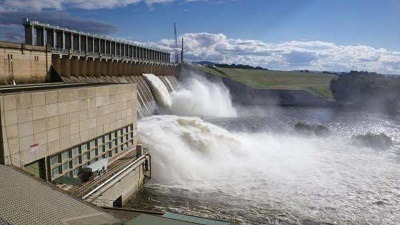
The Bagre Dam has commenced its controlled spillage, with its water level reaching 95.19% of its total capacity. This action, announced by the Water Resources Commission (WRC), follows a significant rise in the reservoir's water levels.
The dam's water level stood at 234.64 metres as of Thursday, August 27, 2026. This measurement left the reservoir just 0.36 metres below its normal operating level of 235 metres. The WRC stated this controlled release became necessary after an earlier planned spillage was suspended when water levels temporarily dropped.
The annual Bagre Dam spillage often leads to severe flooding in northern Ghana, particularly along the White Volta River basin. This event regularly displaces thousands of people and destroys crops and livelihoods. The economic impact includes significant losses in agriculture and infrastructure damage, costing the nation millions of GHS annually in relief efforts and reconstruction.
The Water Resources Commission issued a statement on Thursday, August 27, cautioning residents. It urged those living along the White Volta River and surrounding areas to take immediate measures. These measures include protecting their lives and property from the impending increased water flow.
The National Disaster Management Organisation (NADMO) has also issued an urgent directive. NADMO advised residents along the White Volta River banks and other vulnerable waterways to evacuate. This proactive measure aims to minimise casualties and property damage from the anticipated floods.
The increased water flow from the Bagre Dam spillage poses a significant threat to agricultural productivity in the affected regions. Farmers often lose their entire harvest, leading to food insecurity and economic hardship. This situation exacerbates existing vulnerabilities in communities heavily reliant on rain-fed agriculture.
Local assemblies and relevant authorities have been instructed to guide affected communities. Residents must comply with safety instructions and directives to reduce risks. This coordinated effort seeks to ensure public safety during this critical period.
NADMO warned that the increased water flow could affect communities along riverbanks and other flood-prone areas. The organisation urged residents to relocate to safer locations without delay. This warning underscores the severity of potential flooding and the need for immediate action.
The economic implications extend beyond immediate losses, affecting long-term development plans for the northern regions. Repeated flooding events deter investment and hinder efforts to improve infrastructure. This cycle perpetuates poverty and delays economic growth in these vulnerable areas.
Authorities are urging residents in vulnerable areas to take necessary precautions as the controlled spillage gets underway. Public vigilance and compliance with official updates are crucial. This collective response is vital for mitigating the adverse effects of the dam's release.
The government often allocates substantial emergency funds to address the aftermath of these floods. These funds divert resources from other critical development projects. This recurring expenditure highlights the need for sustainable long-term solutions to manage the impact of the Bagre Dam spillage.
The Water Resources Commission continues to monitor the situation closely. They will provide updates as the spillage progresses. Residents are advised to stay informed through official channels and heed all safety warnings.