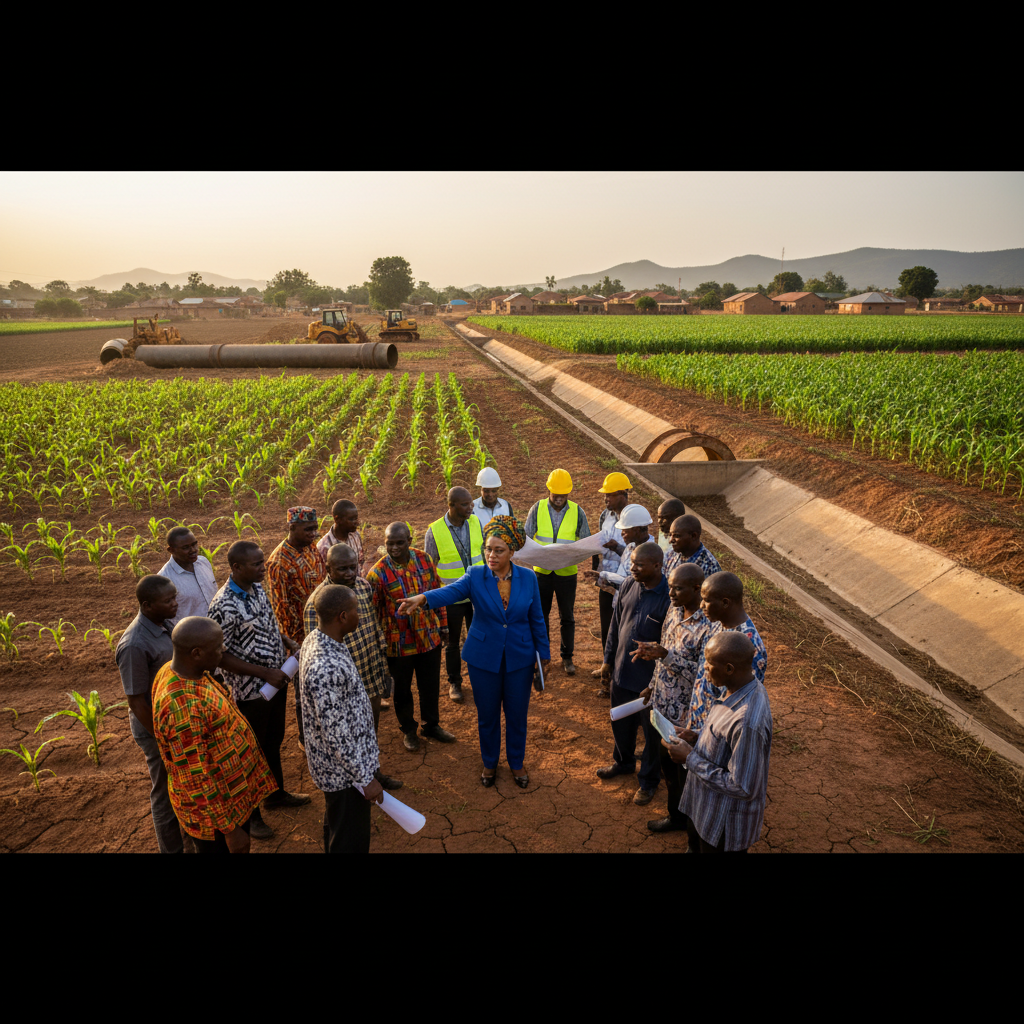
The Association of Ghana Industries (AGI) urges major government investment in irrigation and agricultural storage infrastructure. Without this, Ghana's reliance on rain-fed farming continues to harm agro-processing and industrial expansion. This dependence forces manufacturers to import raw materials that Ghana could produce itself.
This situation stems from Ghana's inability to ensure year-round agricultural output. Manufacturers must then depend on imported raw materials. This limits efforts to build strong local supply chains. The agricultural sector remains unstable because it relies heavily on weather conditions for production.
This issue fits into Ghana’s broader economic narrative of import dependency and industrial underdevelopment. Prior data show that erratic weather patterns and inadequate infrastructure consistently hinder agricultural productivity. This impacts food security and the growth of manufacturing. Investment in irrigation would mitigate these risks and stabilize agricultural output.
Moses Atobrah, Sector Chair for Cosmetics at AGI and CEO of Debbies Products Limited, highlighted this concern. He stated that Ghana’s agricultural sector needs to shift from relying on natural rain to irrigation for consistent farming. Mr. Atobrah emphasized that seasonal shortages create supply disruptions for consumers and manufacturers alike.
These disruptions lead to Ghana importing essential agricultural products like tomatoes in off-seasons. Targeted policy interventions could significantly increase private investment in agriculture. For example, removing import duties on irrigation materials for a set period could encourage private sector involvement. This would reduce the country’s significant dependence on food imports.
Inadequate storage infrastructure also causes challenges. Some food processing companies import maize despite local production due to poor storage. Locally produced maize often becomes unsuitable for industrial use due to aflatoxin contamination. This problem highlights a critical gap in Ghana’s agricultural value chain.
Mr. Atobrah called for increased investment in silos and modern storage systems. Institutions like the National Buffer Stock Company could spearhead these efforts. Such investments would preserve harvests, support agro-processors, and strengthen Ghana’s food security. This would also enhance the resilience of local industries.
The government must act to reduce reliance on external markets and bolster local industry. Improving agricultural infrastructure will stabilize raw material supply for manufacturers. It will also create jobs throughout the value chain. This move is crucial for Ghana’s long-term economic stability and industrial growth. It directly addresses a key challenge in national development.