The African Development Bank (AfDB) has called for significantly greater investment in land restoration across Africa. The bank argues that reversing environmental degradation must become a priority for development and security.
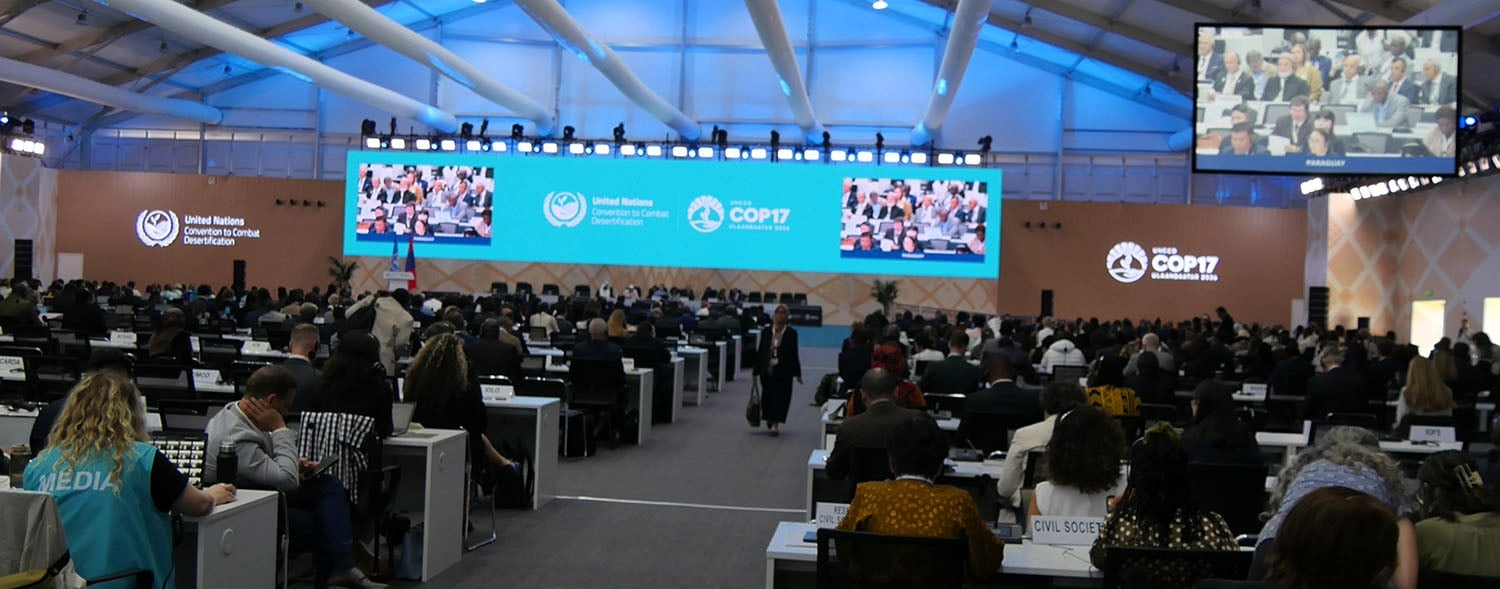
This push comes as the seventeenth session of the Conference of the Parties to the United Nations Convention to Combat Desertification (COP17) convenes. The AfDB emphasizes that land restoration is not just a climate goal but a vital tool for strengthening food security, improving livelihoods, and ensuring political stability, especially in fragile regions.
Africa contains many fragile and conflict-affected states. In these areas, deteriorating land, water scarcity, and declining agricultural productivity combine with poverty and weak institutions. This situation intensifies economic and social pressures, making communities more vulnerable. The AfDB's stance links environmental health directly to the continent's broader peace and development agenda.
Al Hamndou Dorsouma, Division Manager for Climate and Green Growth at the AfDB, represented the bank at COP17. He stated, “Sub-Saharan Africa is home to nearly half of the world's fragile and conflict-affected settings.” He added that land restoration promotes peace and stability, building resilience against conflict drivers.
Land degradation directly reduces agricultural yields and undermines rural incomes. In Ghana, where a significant portion of the population relies on agriculture, such deterioration can quickly lead to lower household incomes and food insecurity. This pressure can also force people to migrate, creating further social and economic challenges. When these environmental stresses meet political instability, they can worsen existing fragility.
The AfDB is actively advocating for new financing models to support restoration projects. These models are designed for environments where traditional private investors might be unwilling to operate due to high political, security, and commercial risks. The bank participated in a side event at COP17 focused on unlocking financing for resilience and stability in fragile settings.
Discussions at this event explored financing tools that could improve coordination and risk-sharing. Participants also introduced a proposed Fragility Financing Mechanism. This mechanism aims to shift restoration projects from short-term, irregular funding to more predictable, long-term support. Such sustained funding is critical for projects that deliver benefits over many years.
UNCCD Executive Secretary Yasmine Fouad stressed the need for action. She said, “COP17 must be a COP of implementation. The challenge now is delivery.” This highlights a common problem in international climate finance: moving from promises to actual results on the ground. Restoration projects often take a long time to show returns, while investors typically seek quicker profits. The commercial value of healthier ecosystems, better soil, and drought resilience is also hard to measure directly in money terms.
Therefore, public and development finance plays a crucial role. It helps absorb early risks and creates conditions that eventually attract private capital. The AfDB has used its Transition Support Facility since 2008 to fund projects in fragile areas. One example is a US$9.5 million project aimed at restoring Lake Chad's ecological and economic functions. This area has suffered from environmental decline, poverty, displacement, and insecurity.
The bank has also supported a large program to strengthen climate resilience and food security in the Horn of Africa. These interventions show the AfDB's belief that investing in the environment can create both economic growth and security benefits. Such efforts are vital for Ghana and other African nations to build a more stable and prosperous future.